


The project
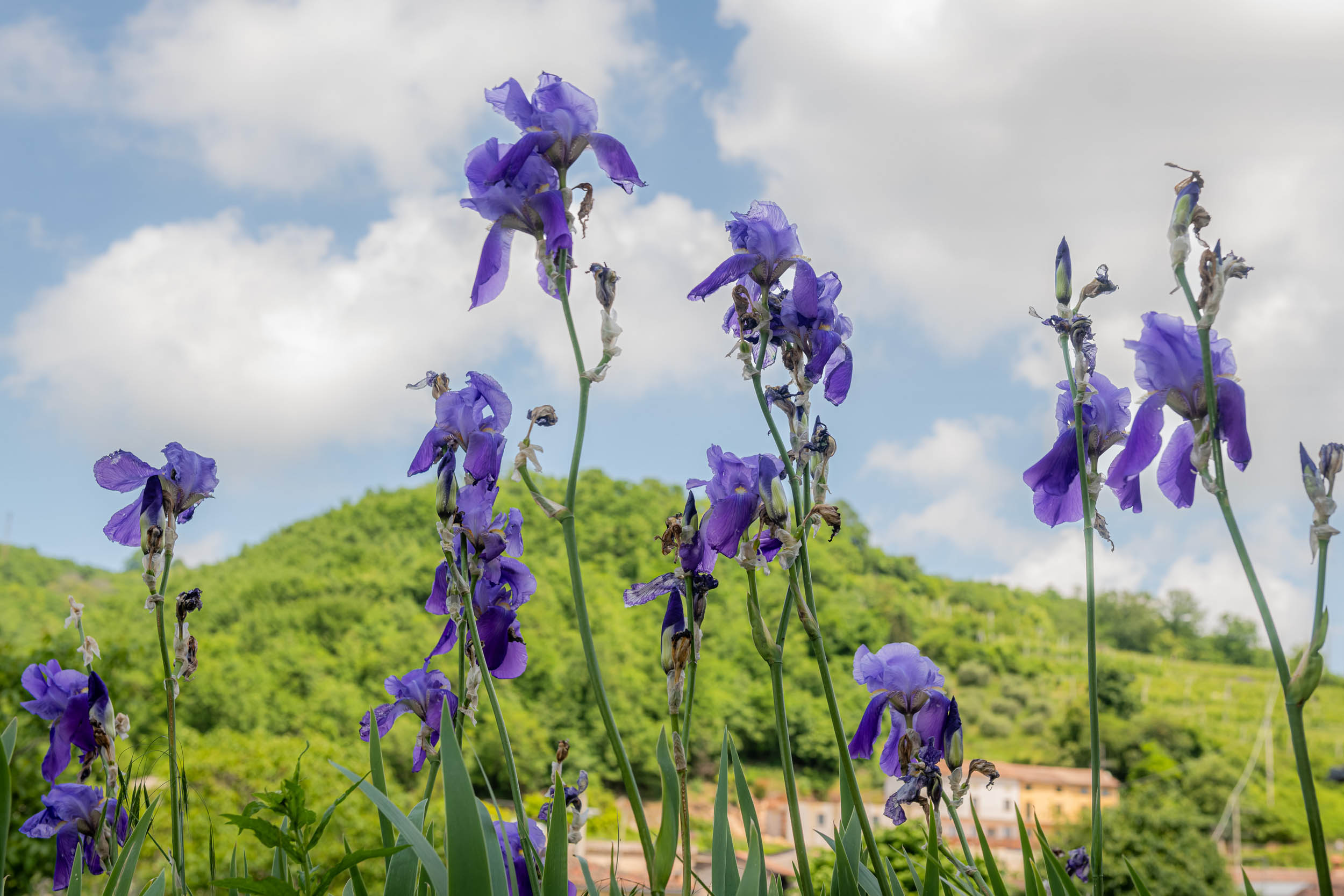
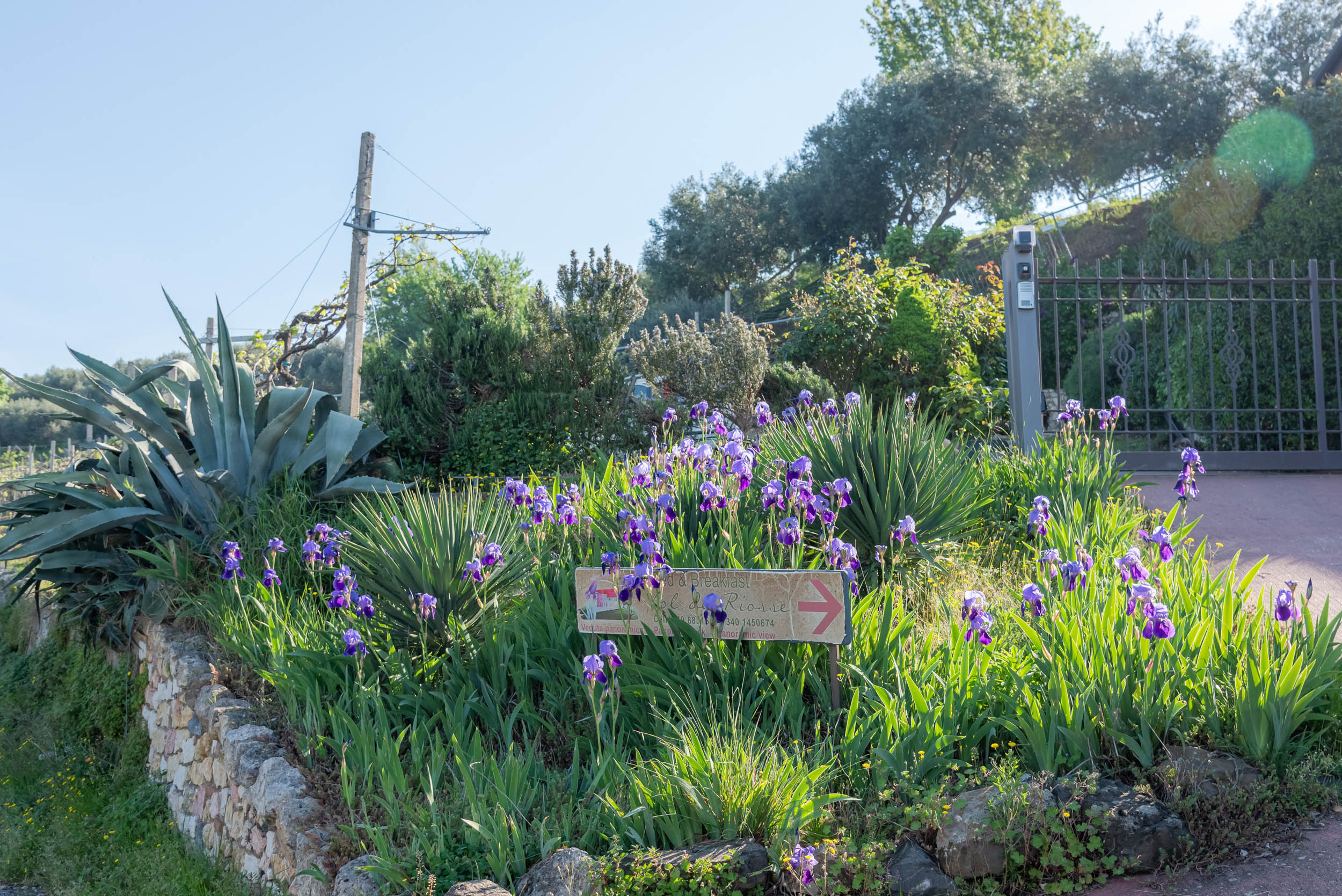
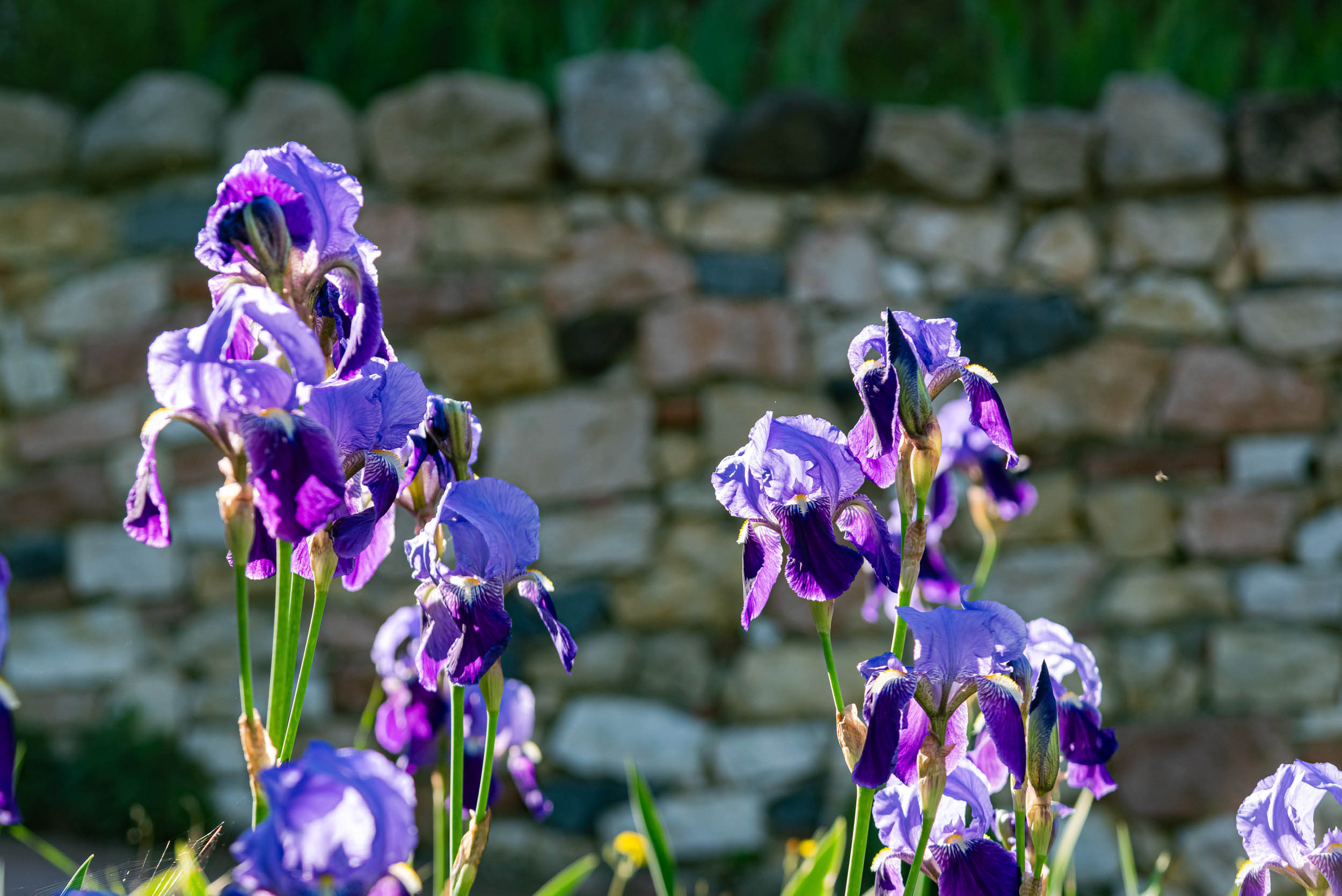
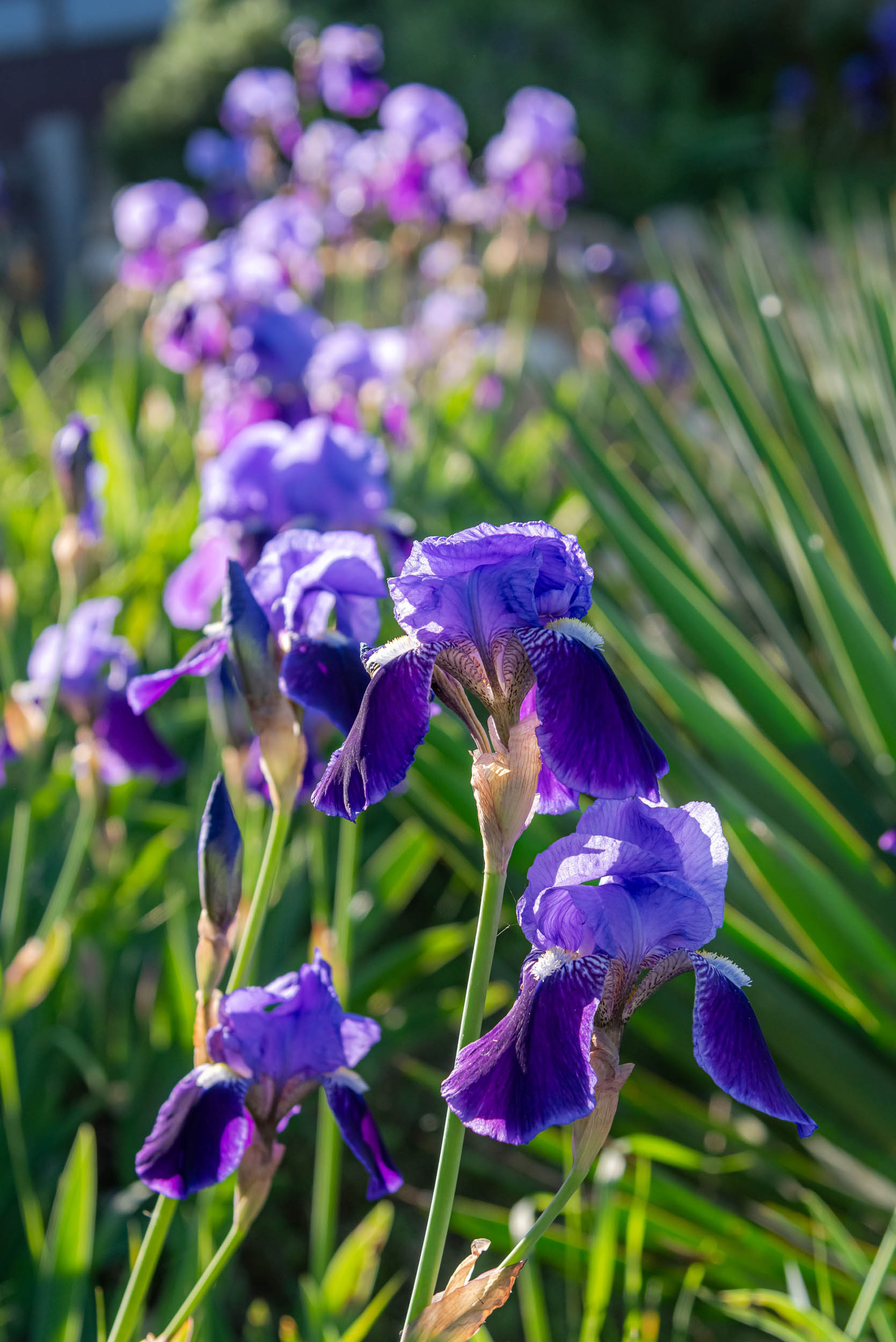
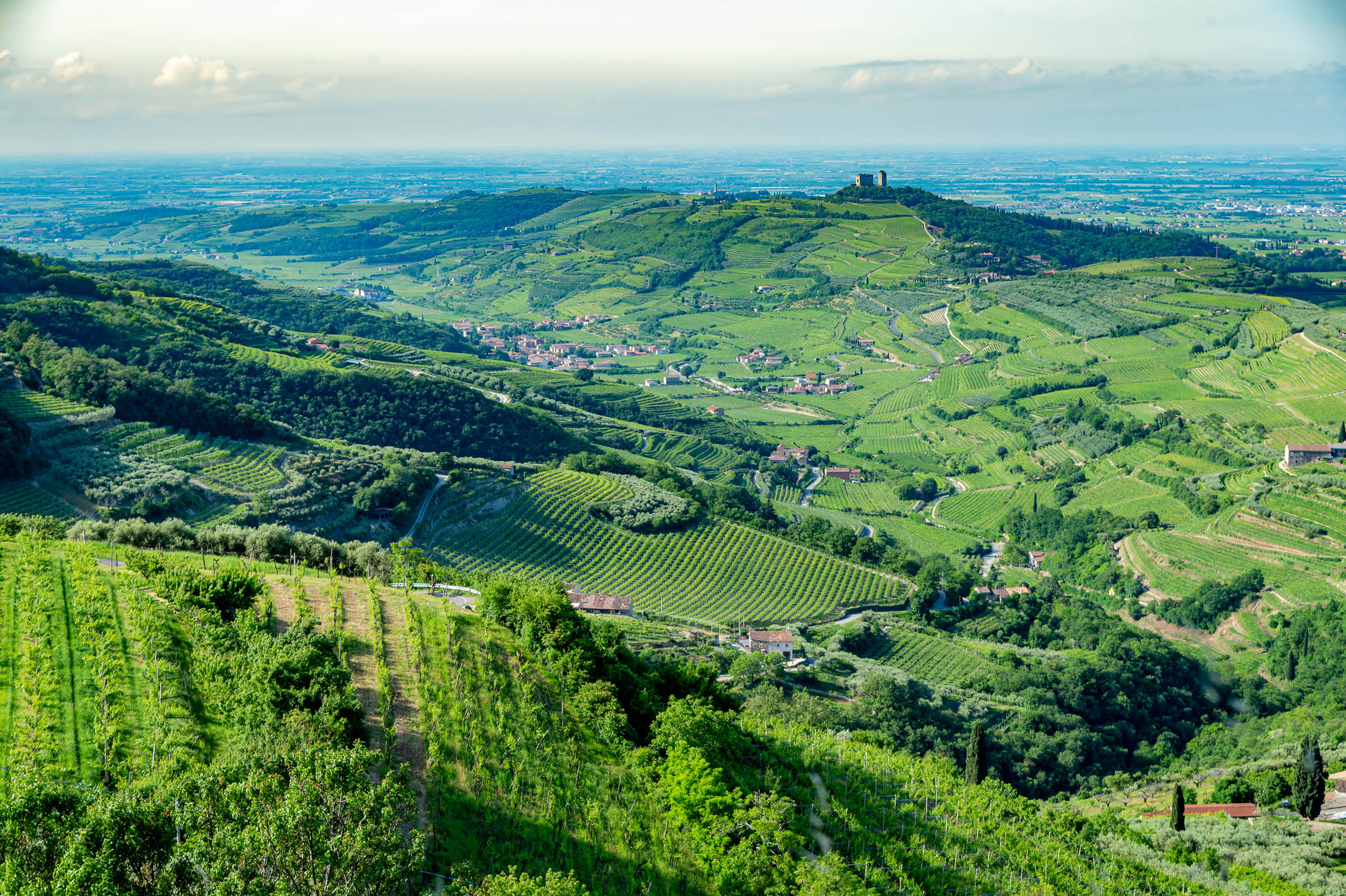
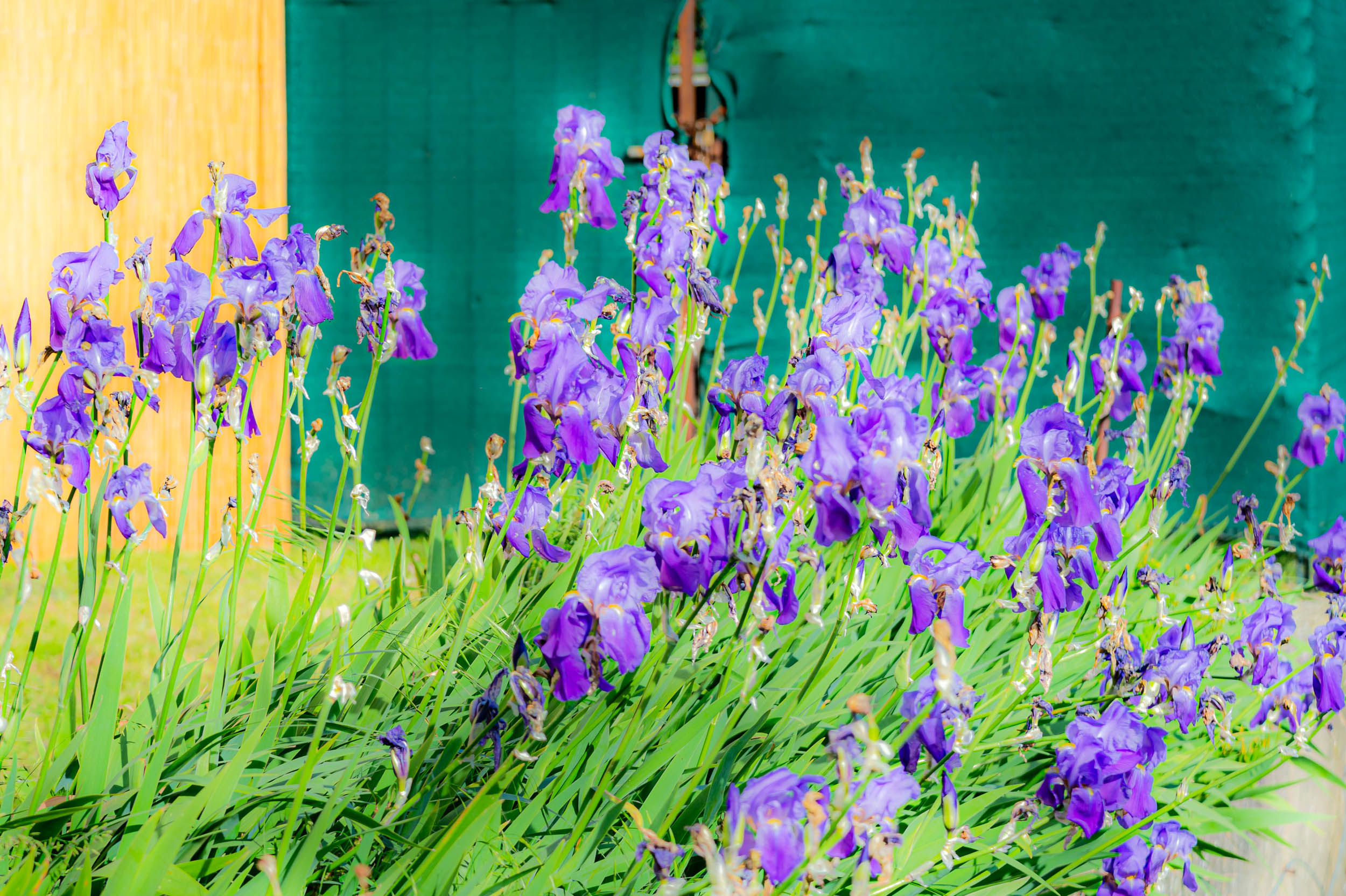
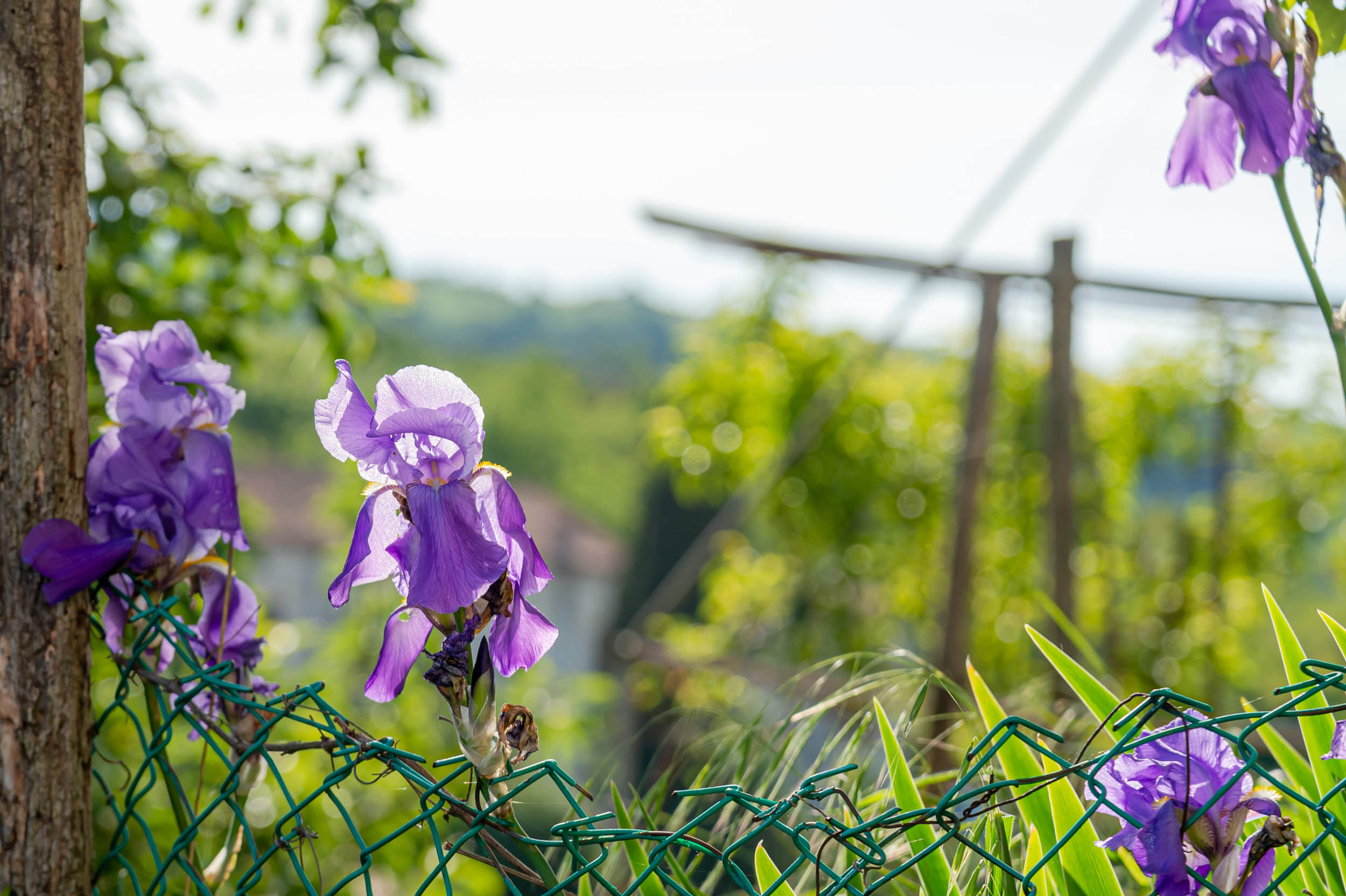
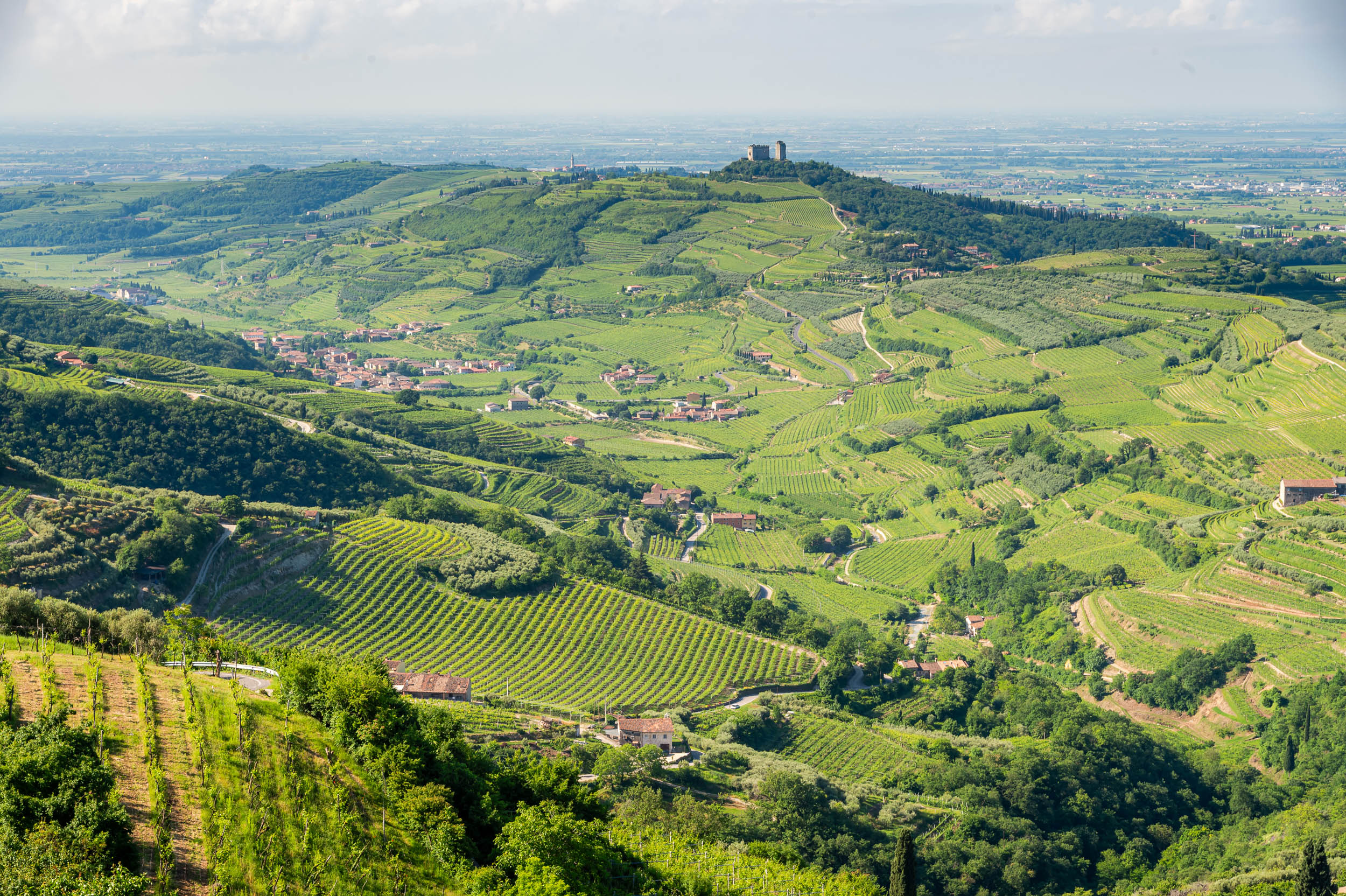
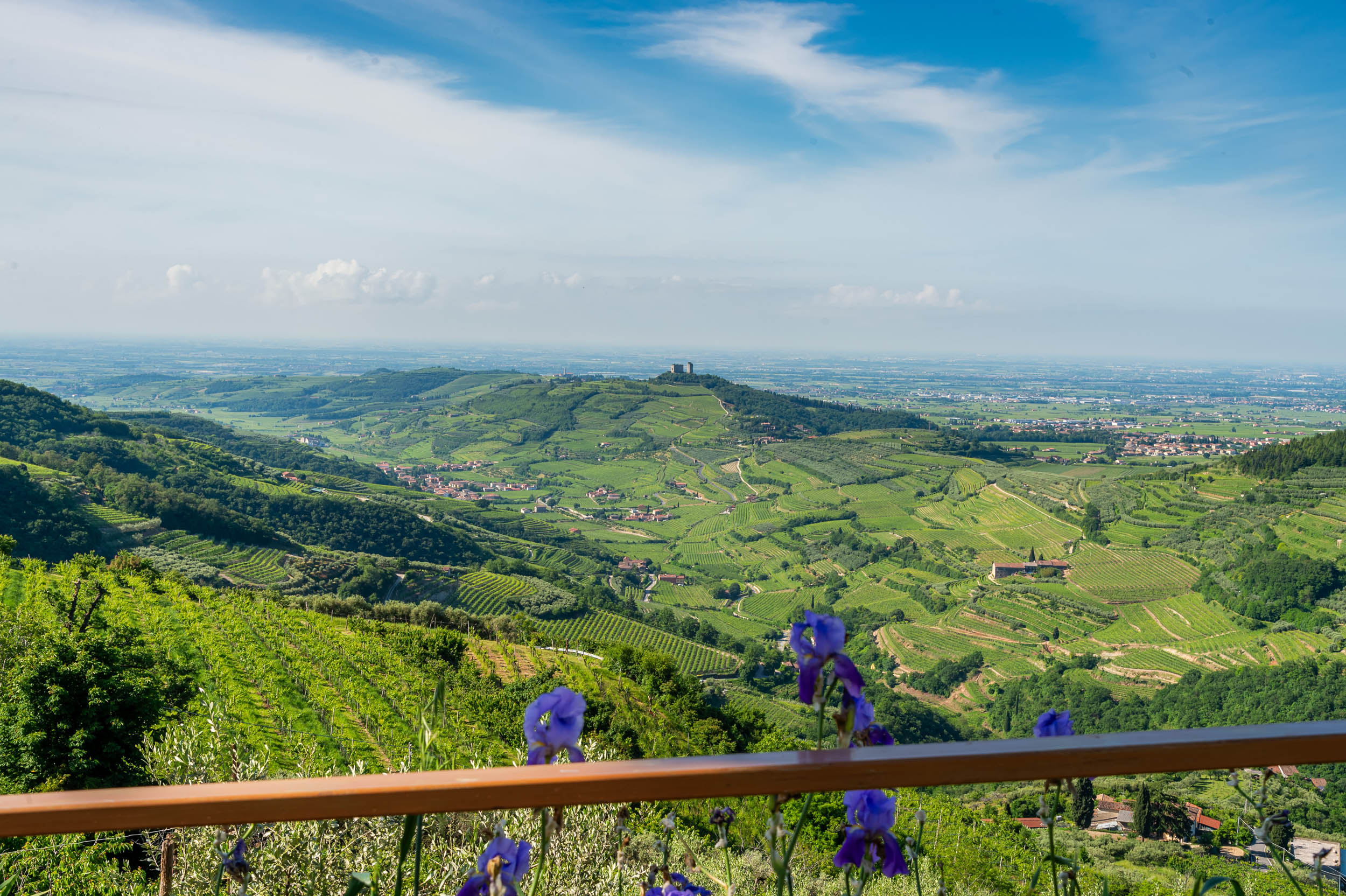
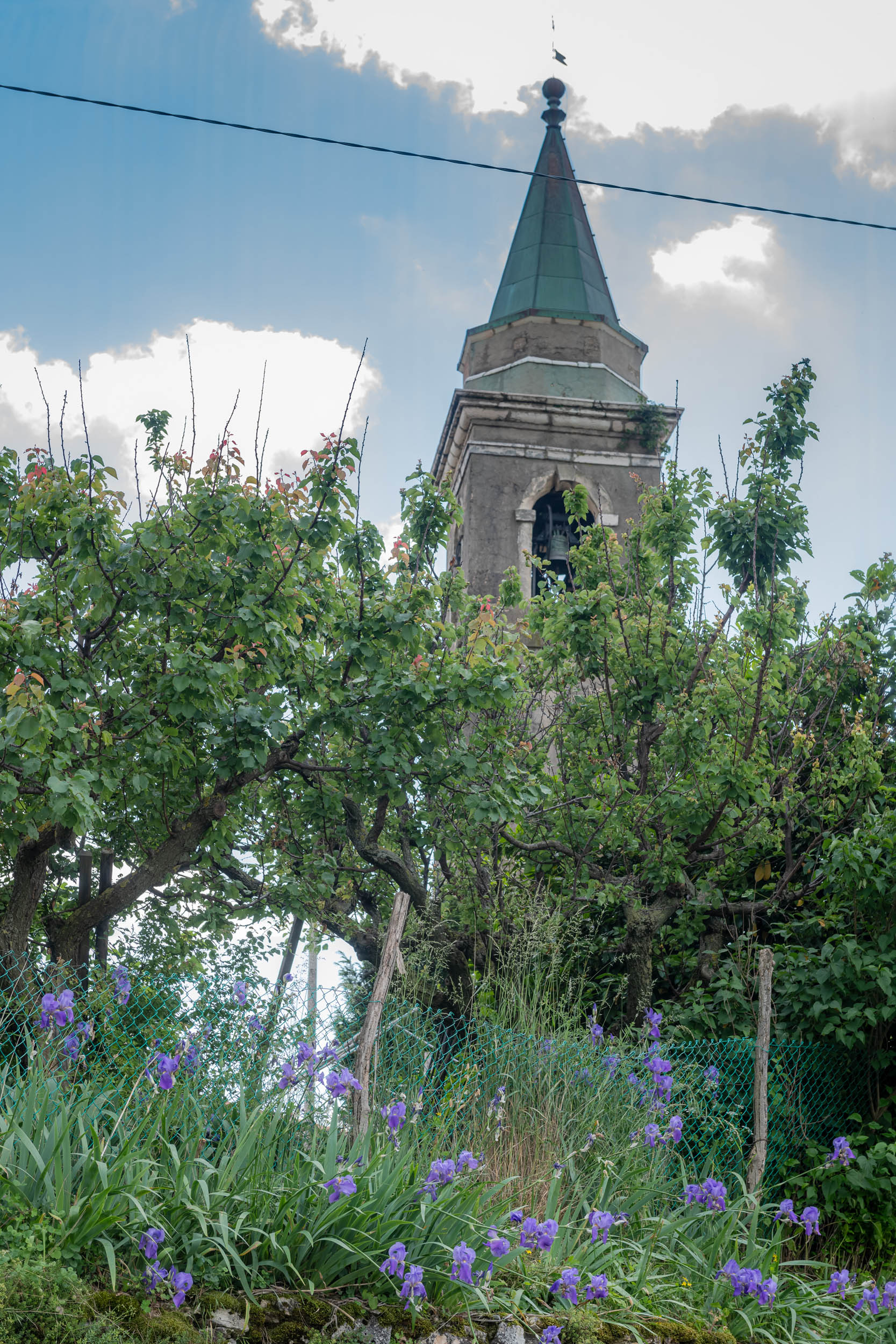
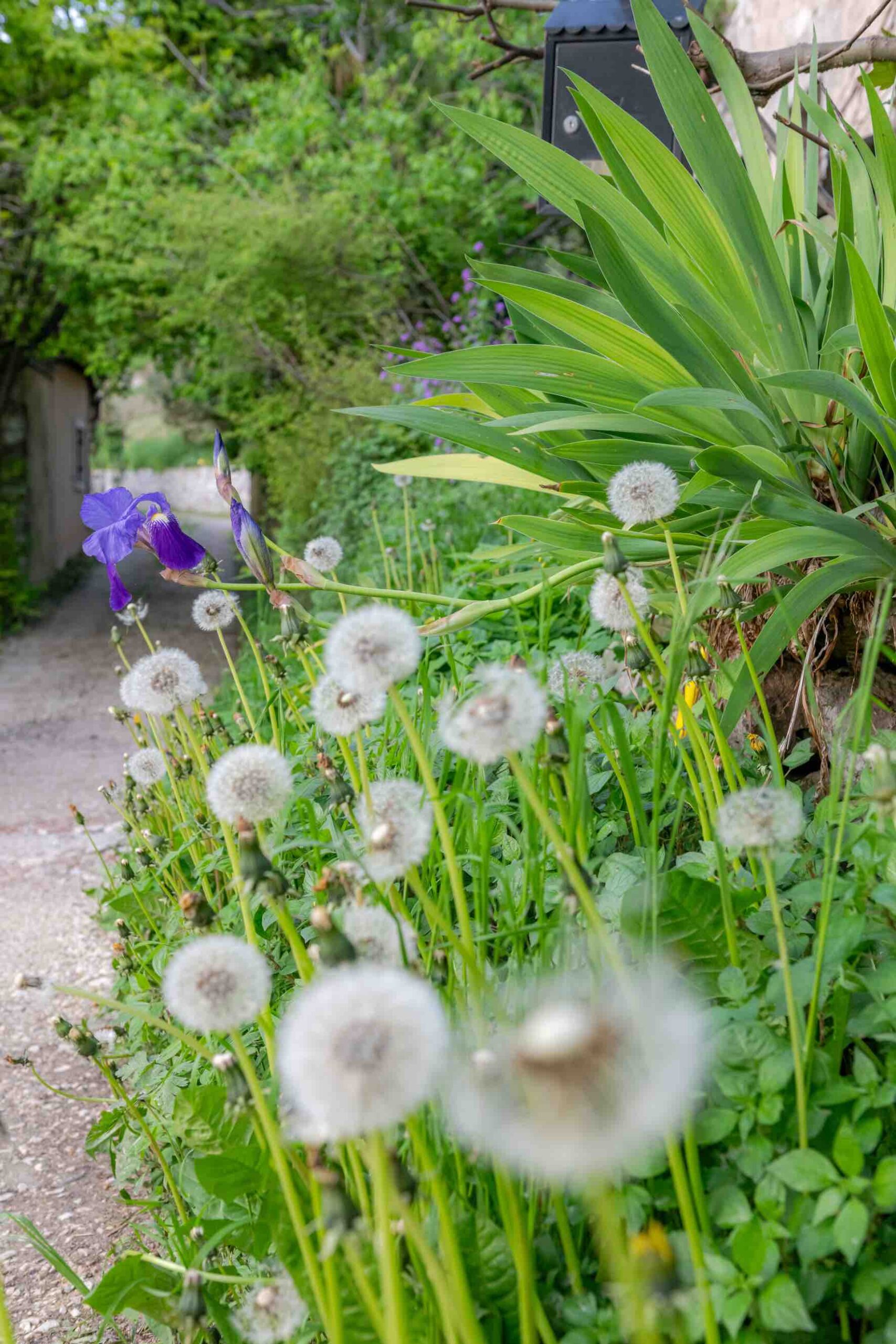
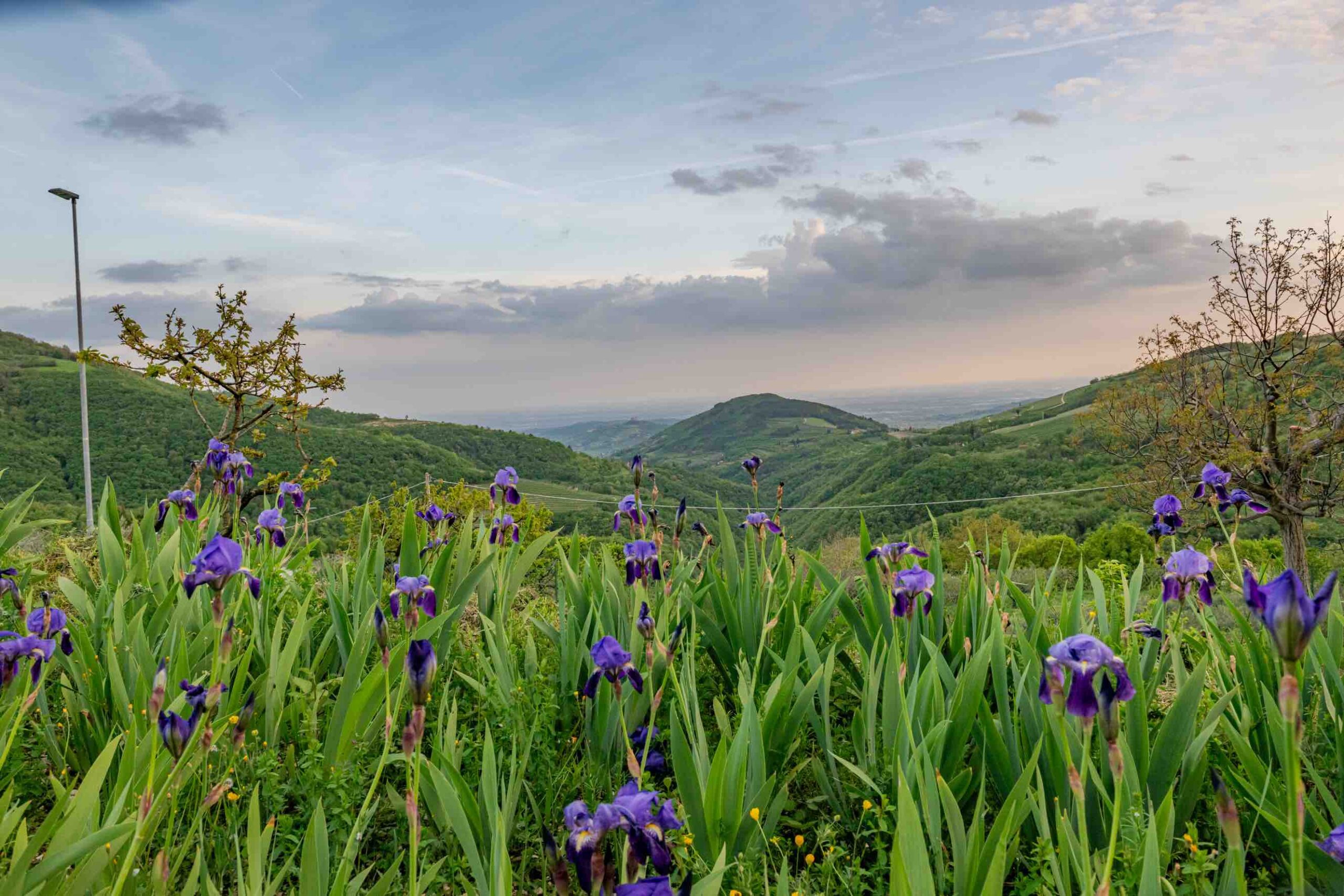
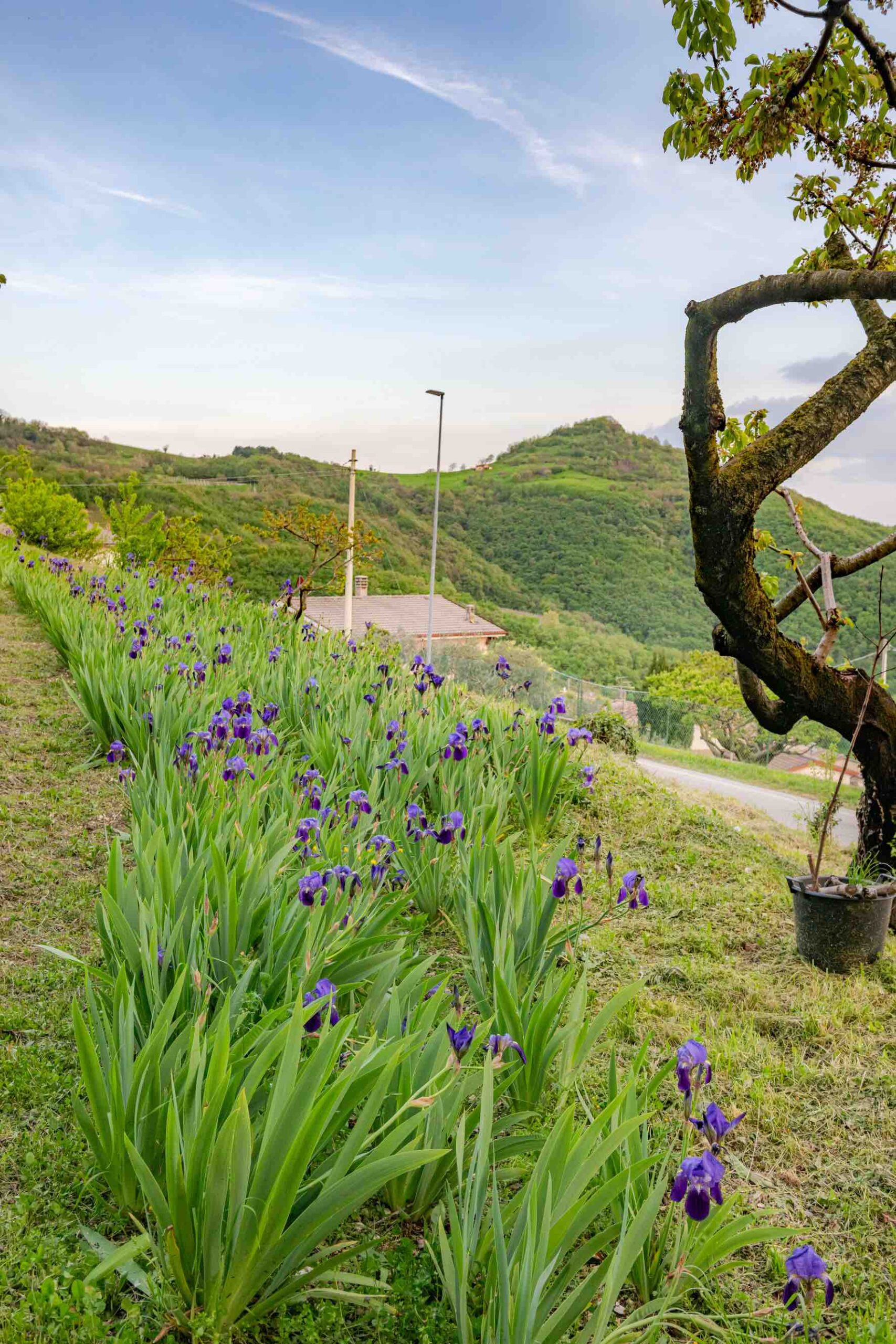
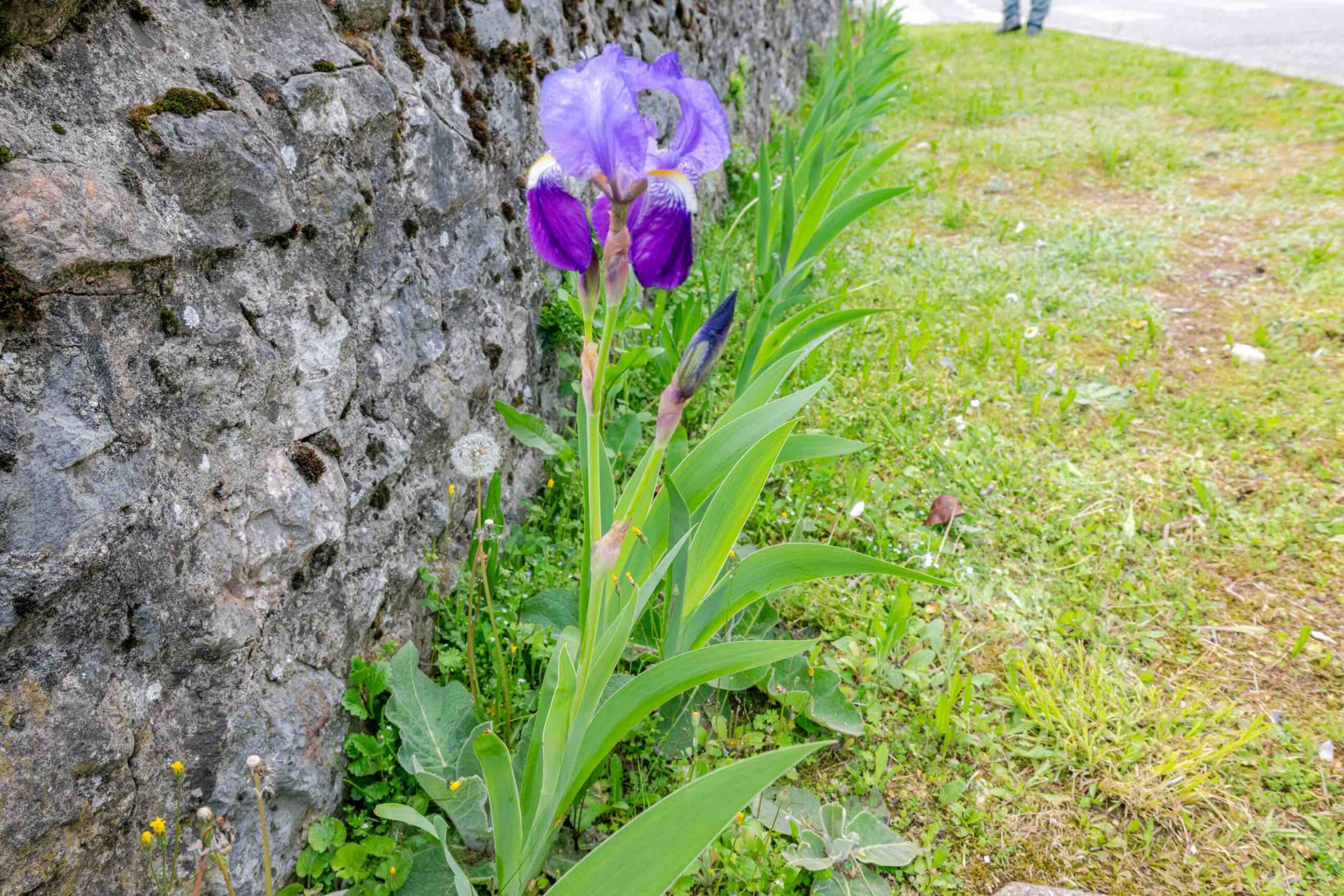
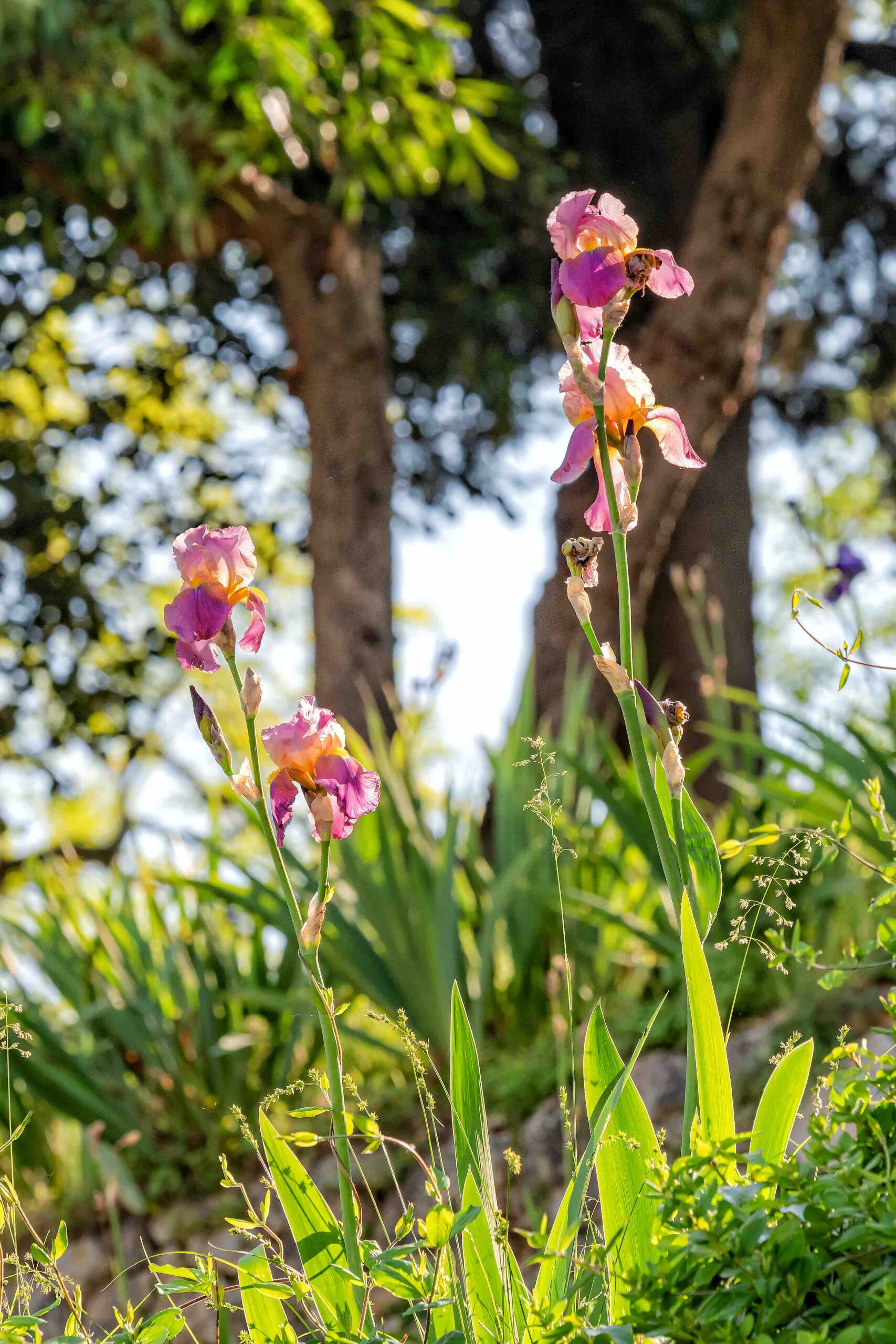
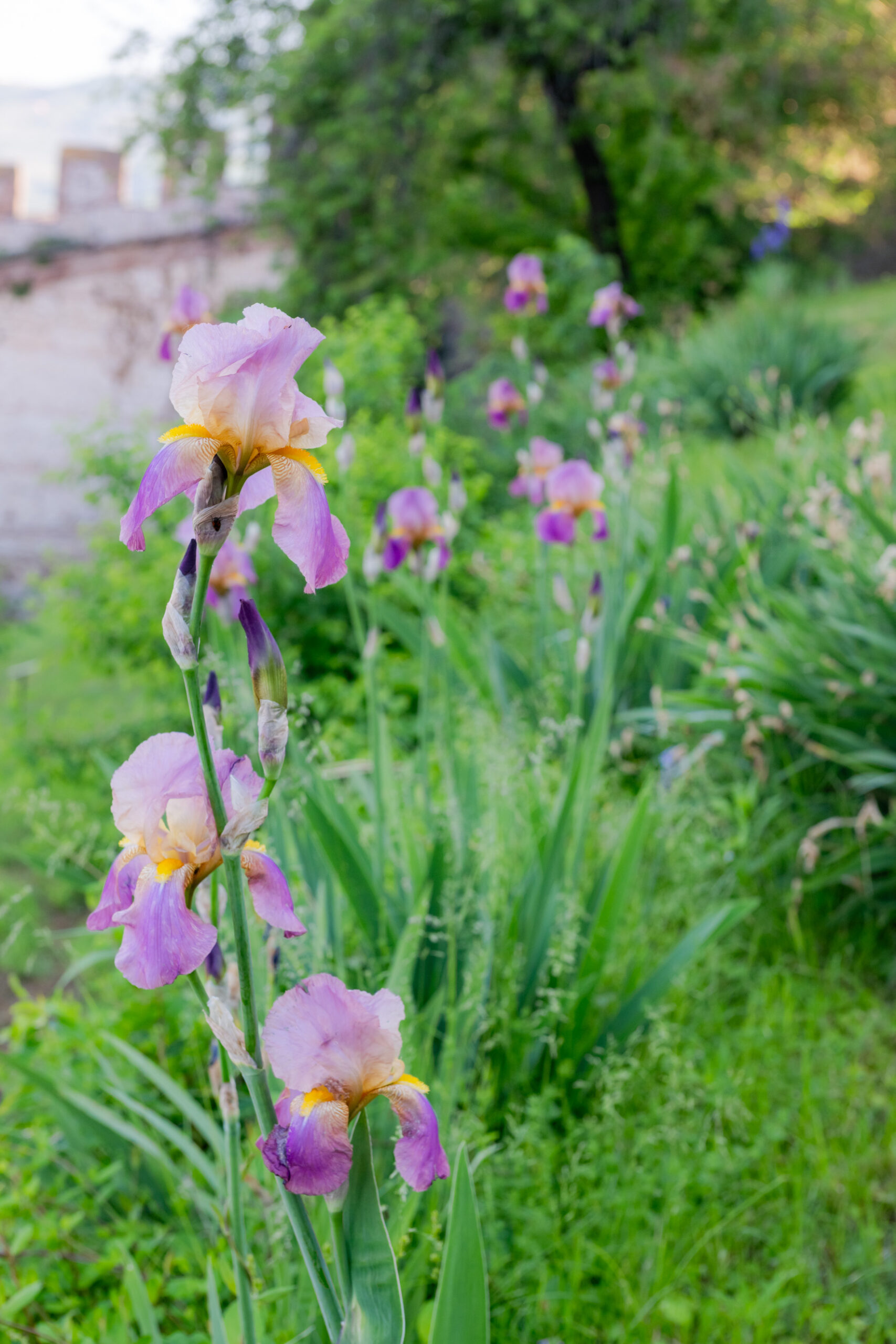
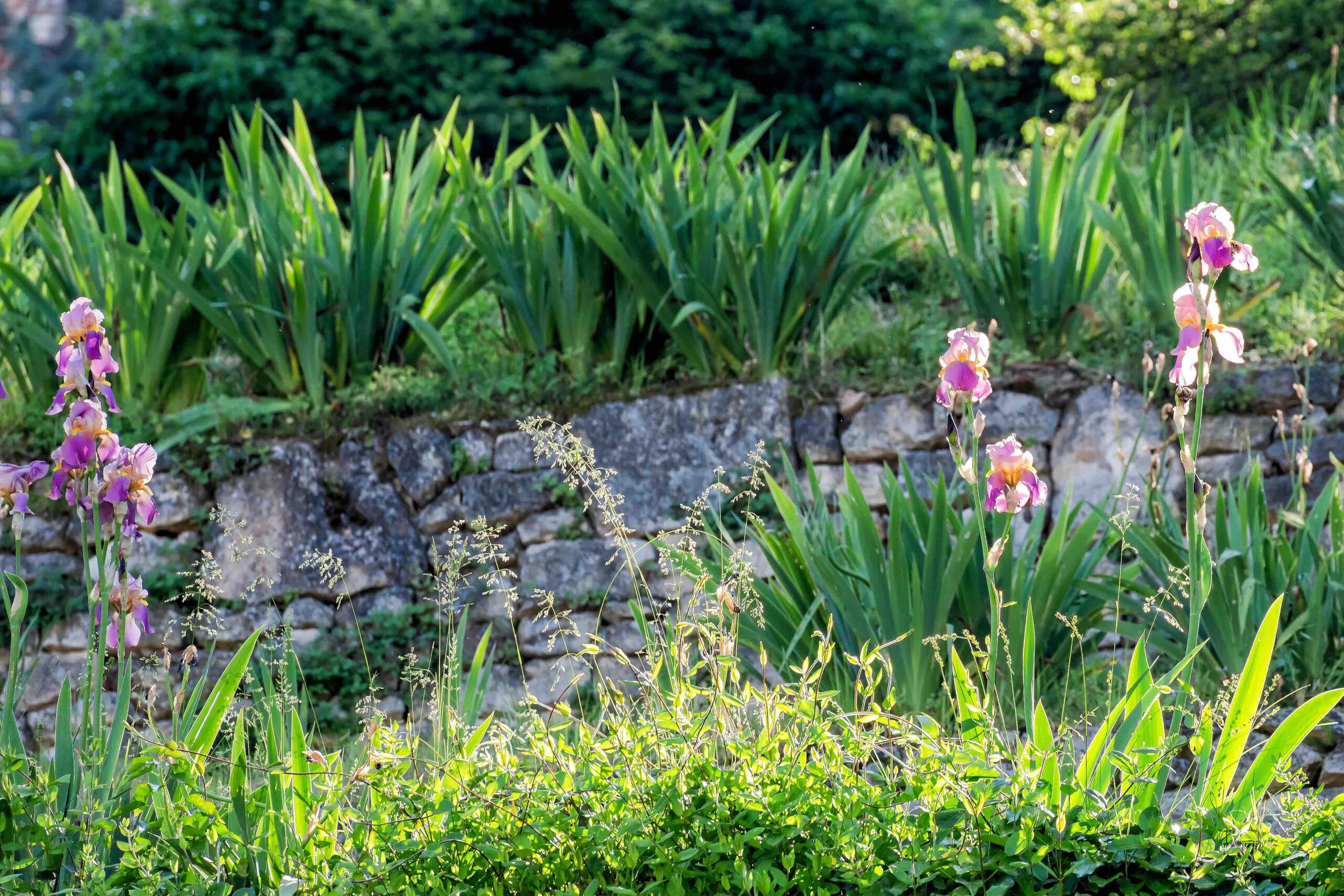
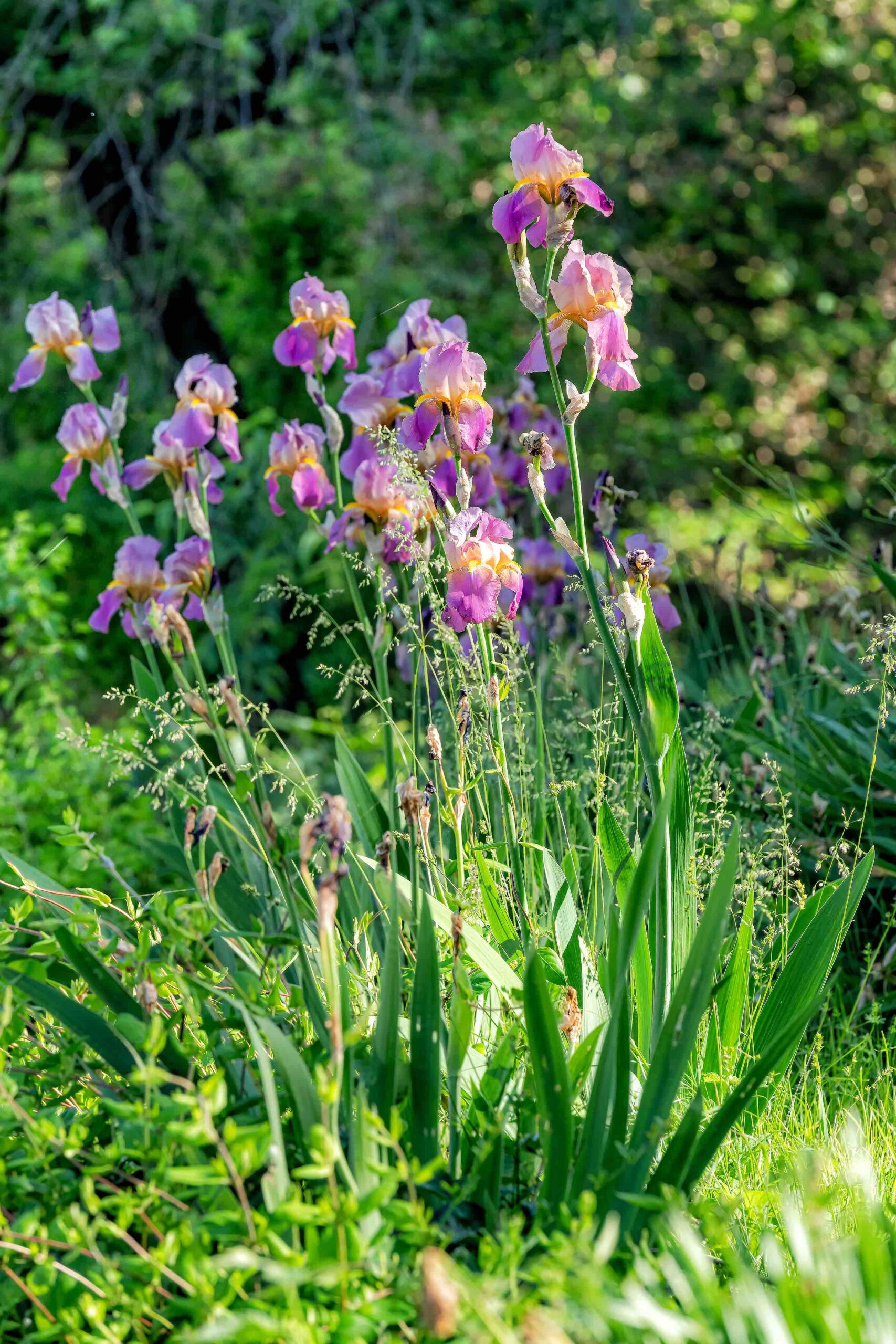
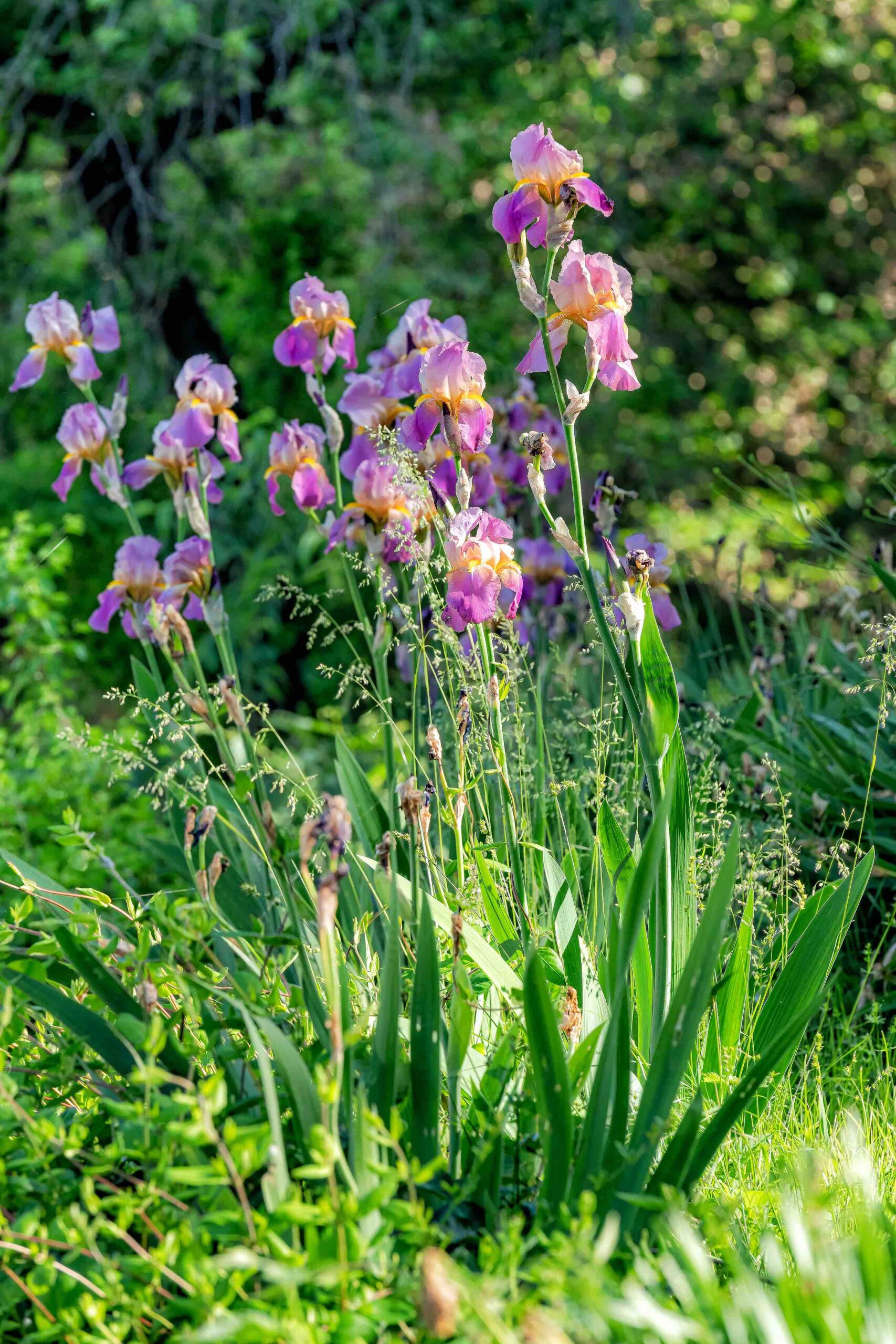
In the Tramigna Valley (VR), characterised by a mild microclimate capable of hosting flora and fauna typical of the Mediterranean area, the species of Iris x germanica L. and Iris pallida Lam., until 1970 were a source of supplementary income for families, who combined primary agriculture (vines, cherry trees and olive trees) with the cultivation of “riossi” or “gadoi” (common name for the iris rhizome).
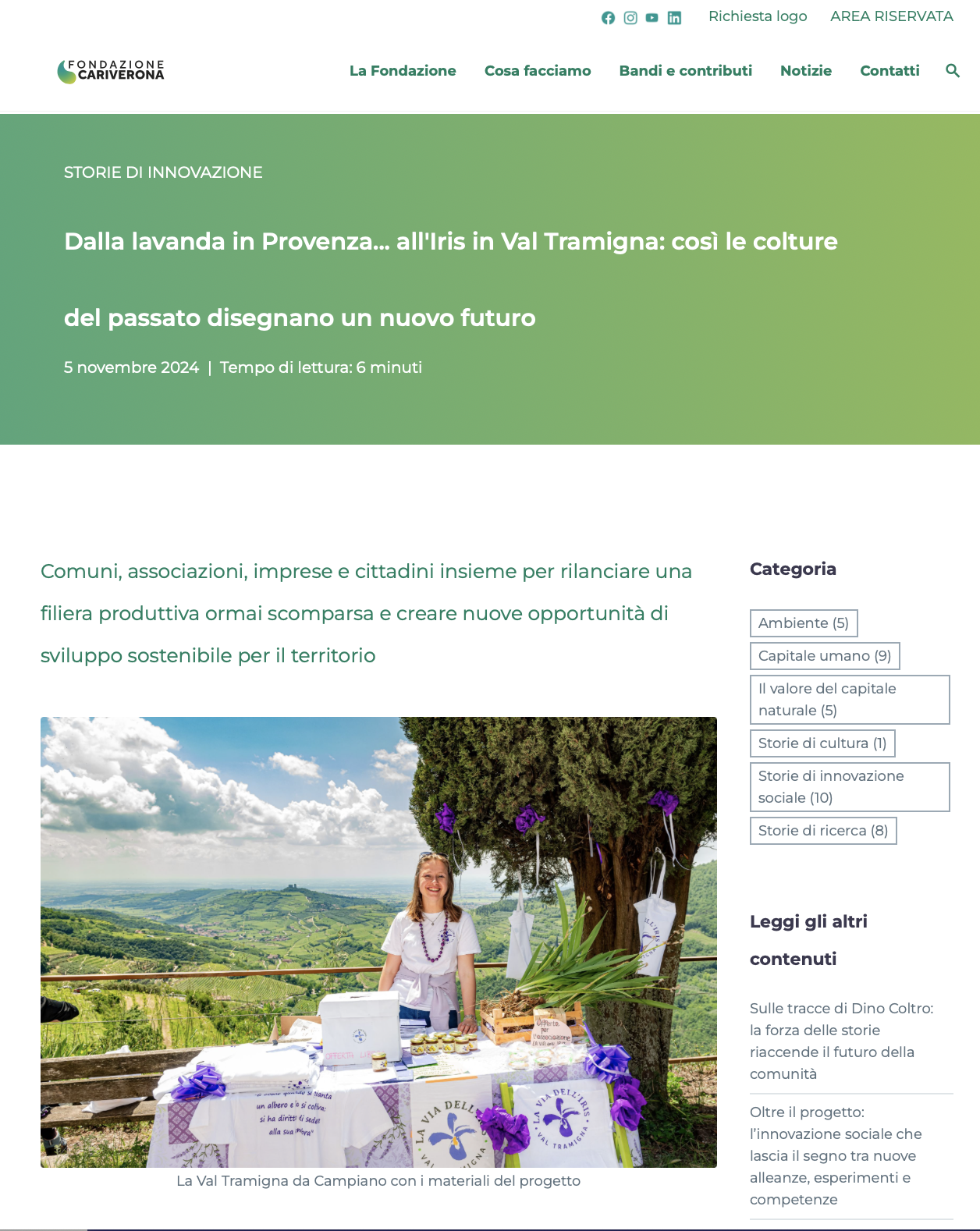
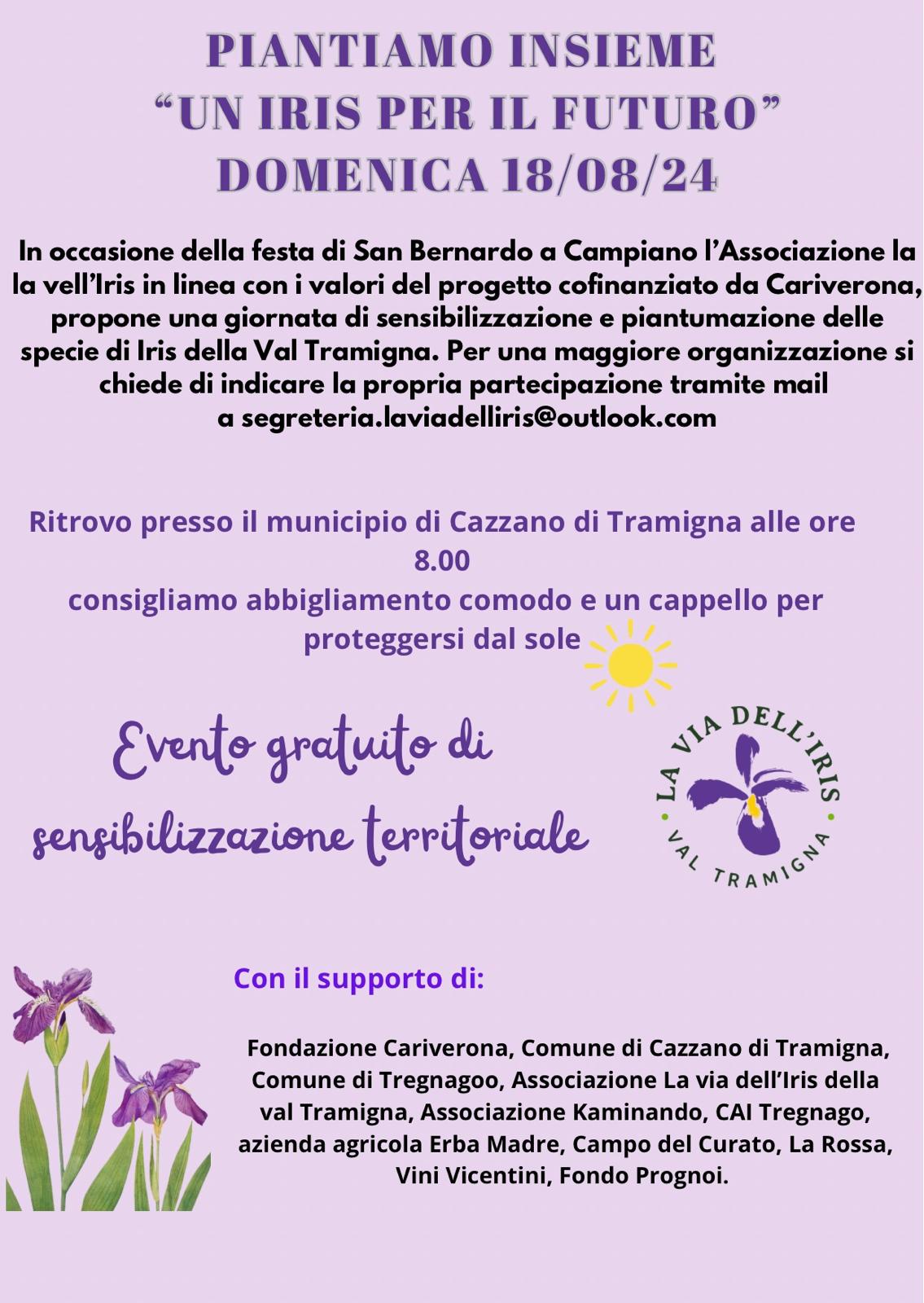
This project, funded by the Cariverona Foundation and co-financed by the municipalities of Cazzano di Tramigna and Tregnago, by local associations (Associazione Via dell'iris della Val Tramigna, Associazione Kaminando Onlus and CAI Tregnago) and by some agricultural companies (erba Madre di Bagatin Giovanni, Campo del Curato di Carlo Bacco, Azienda Agricola La Rossa, Fondo Prognoi di Tinazzi Laura, Azienda Agricola Vicentini Agostino) has as its strategic objective the relaunch and sustainable development of a community through the conservation and enhancement of the territory.
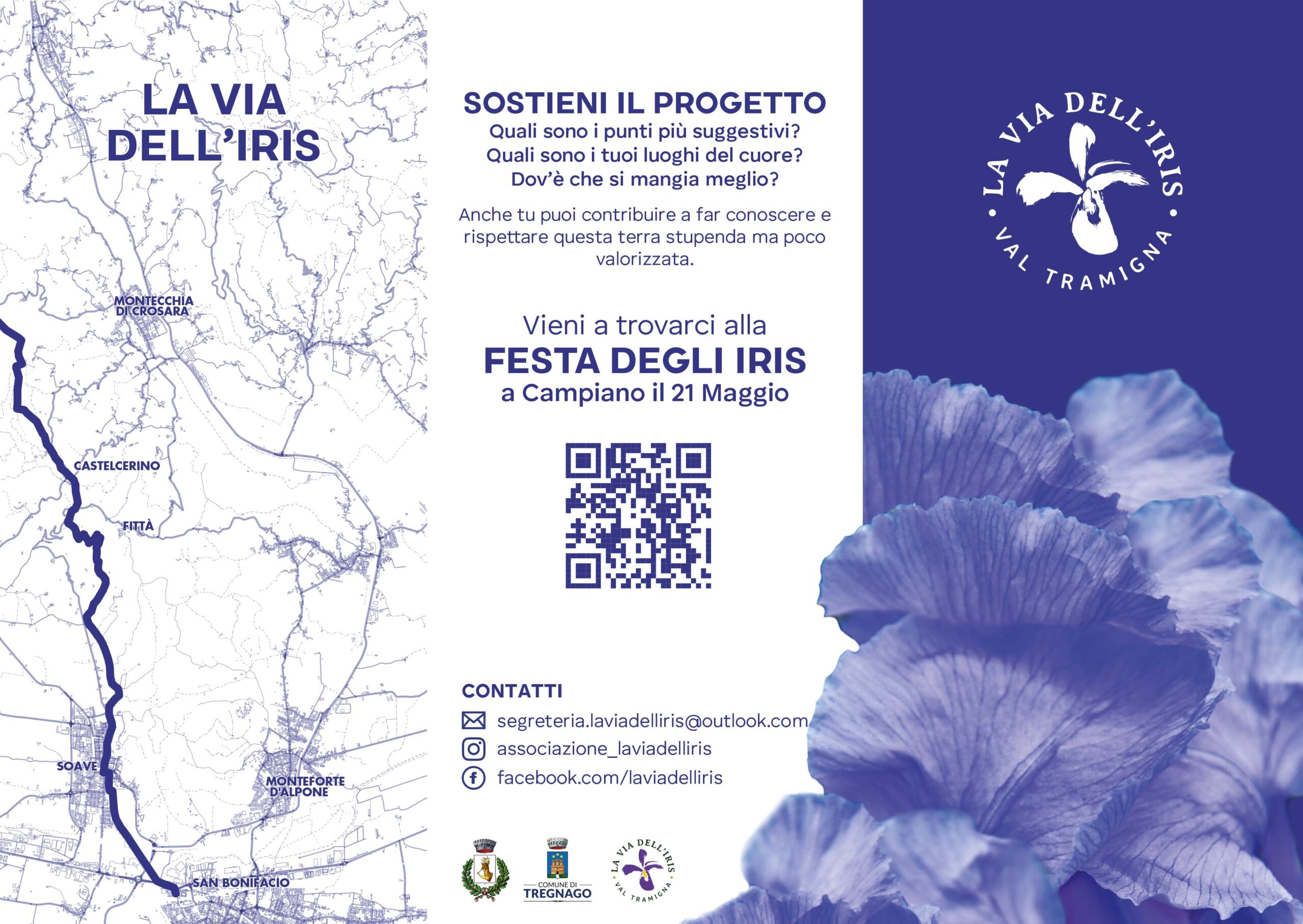
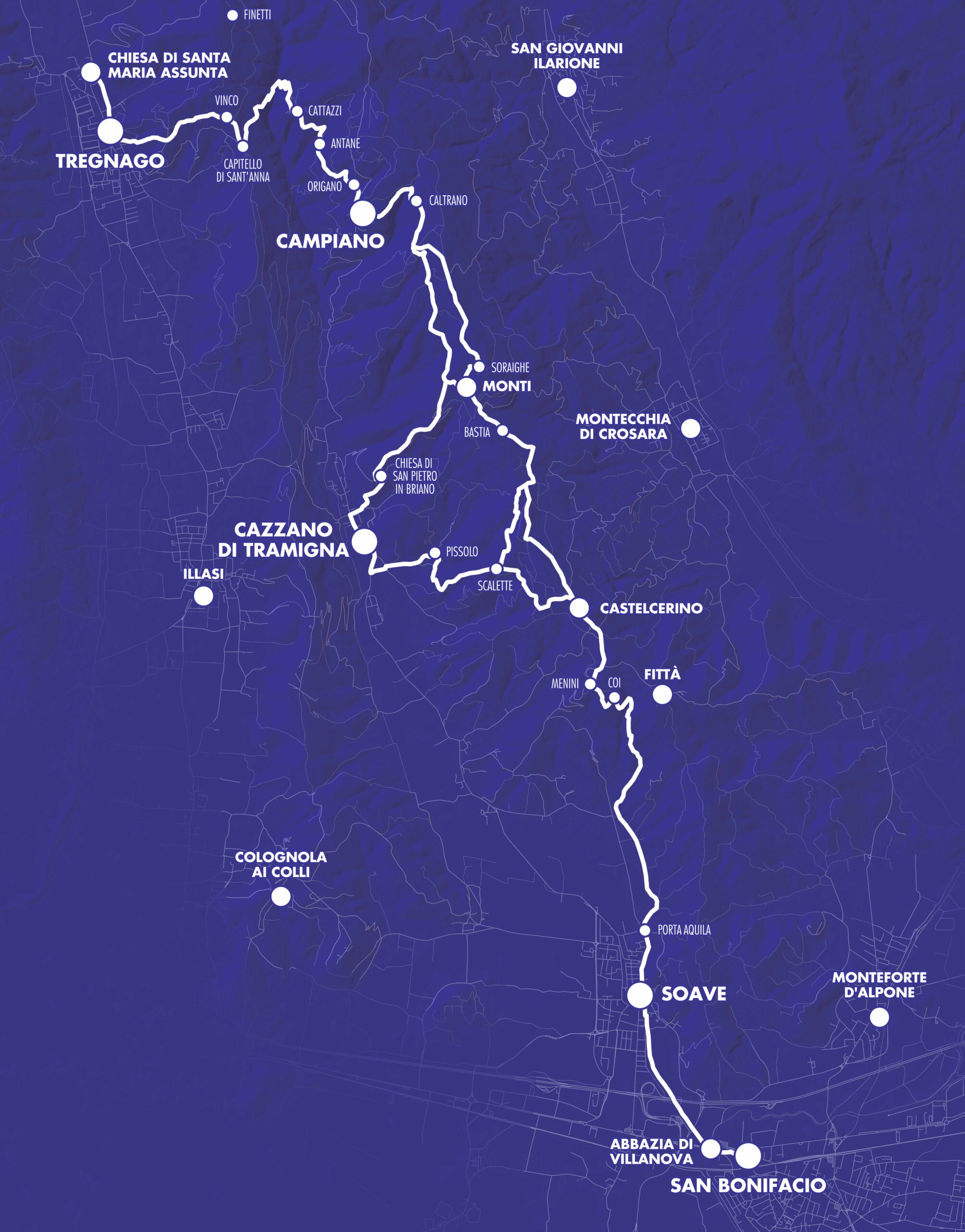
Specifically, the project includes the construction of the Iris Street, from the Abbey of Villanova in San Bonifacio to the parish church of Tregnago, crossing Soave, Castelcerino, Cazzano and Campiano), the arrangement of some historical artefacts along the route, the promotion of the territory and the cultivation of iris, the diffusion of iris through the planting of ten thousand rhizomes throughout the valley and a scientific research activity carried out by the University of Ferrara aimed at identifying possible uses of iris.



Who we are
A group of people in love with the places where we live, united by the desire to propose a innovative territorial development model, of which a wonderful flower, theIris, be the fulcrum. We are able to dream and we do not want to stop and through the “Iris Street” we would like the Tramigna Valley may it be known and appreciated, and may it be transformed into a place of flowers, perfumes, good ideas and fertile relationships.





Path
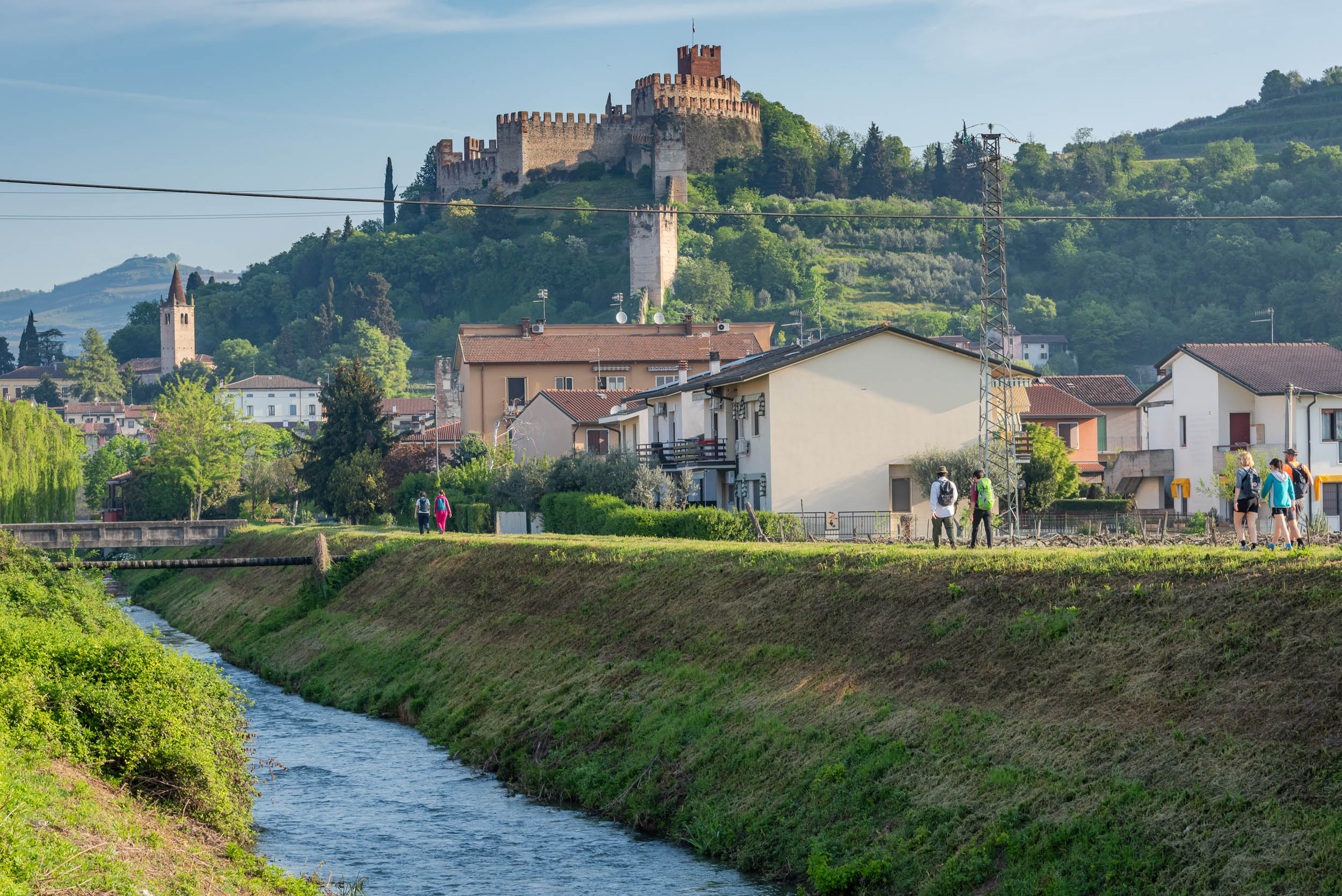
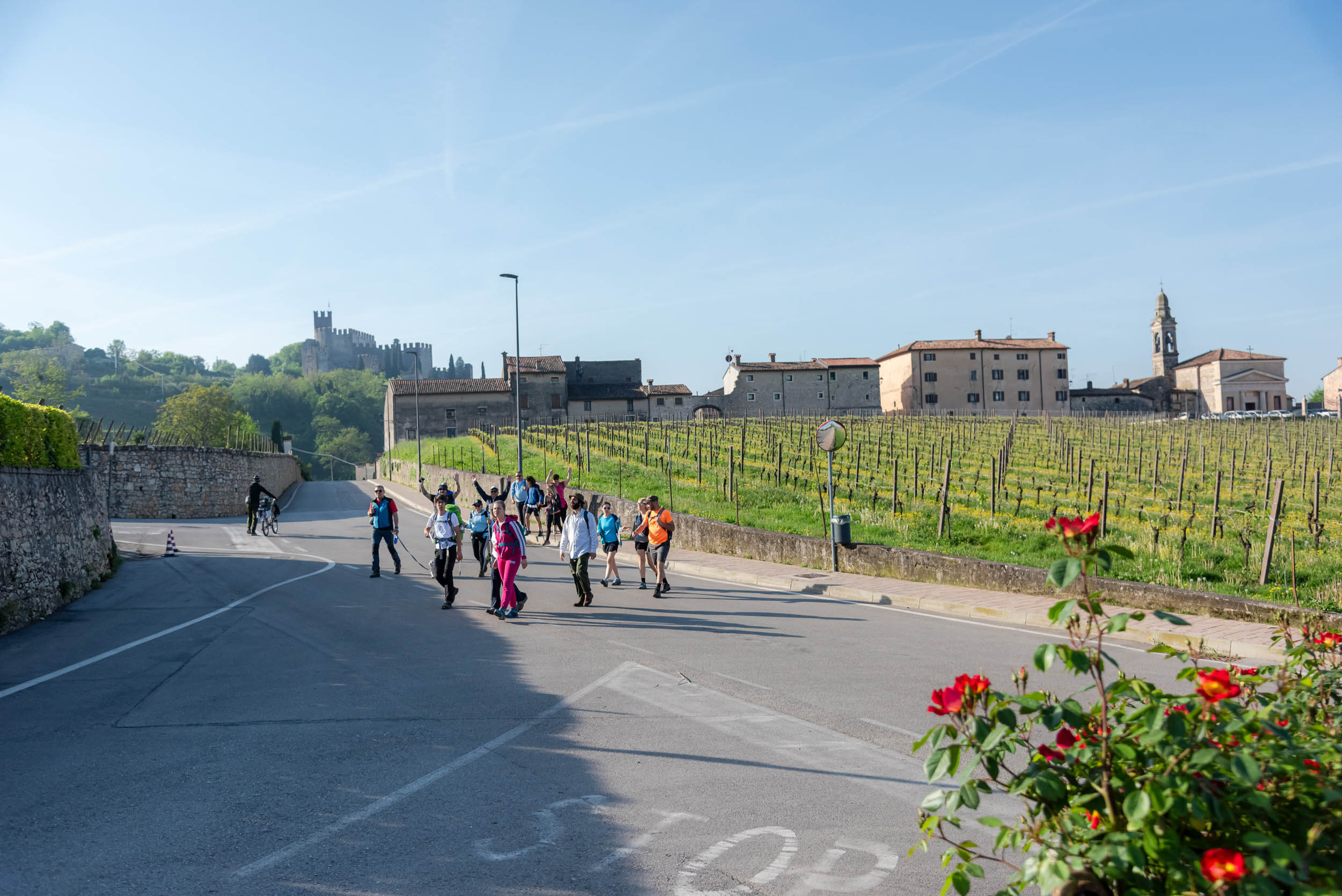
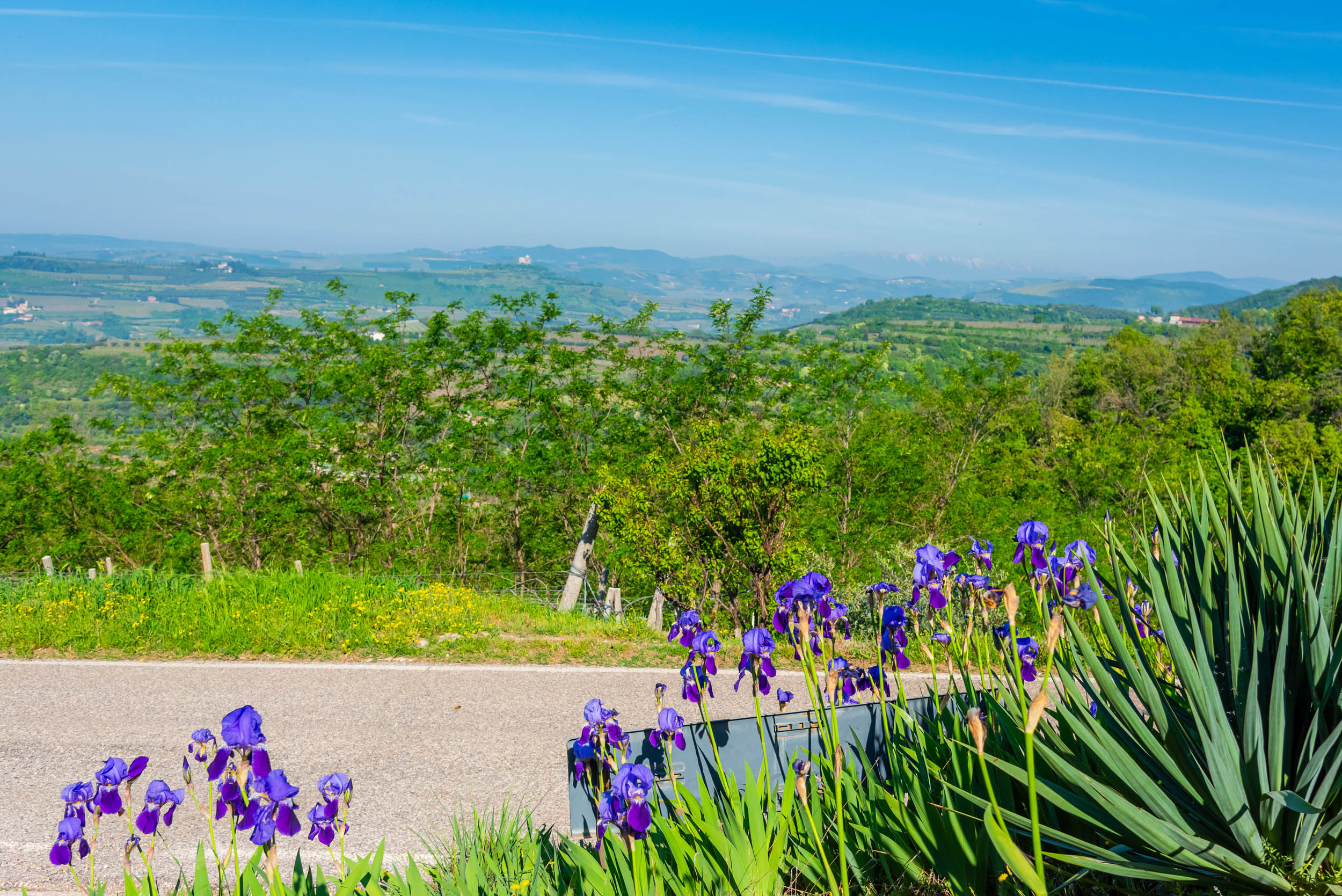
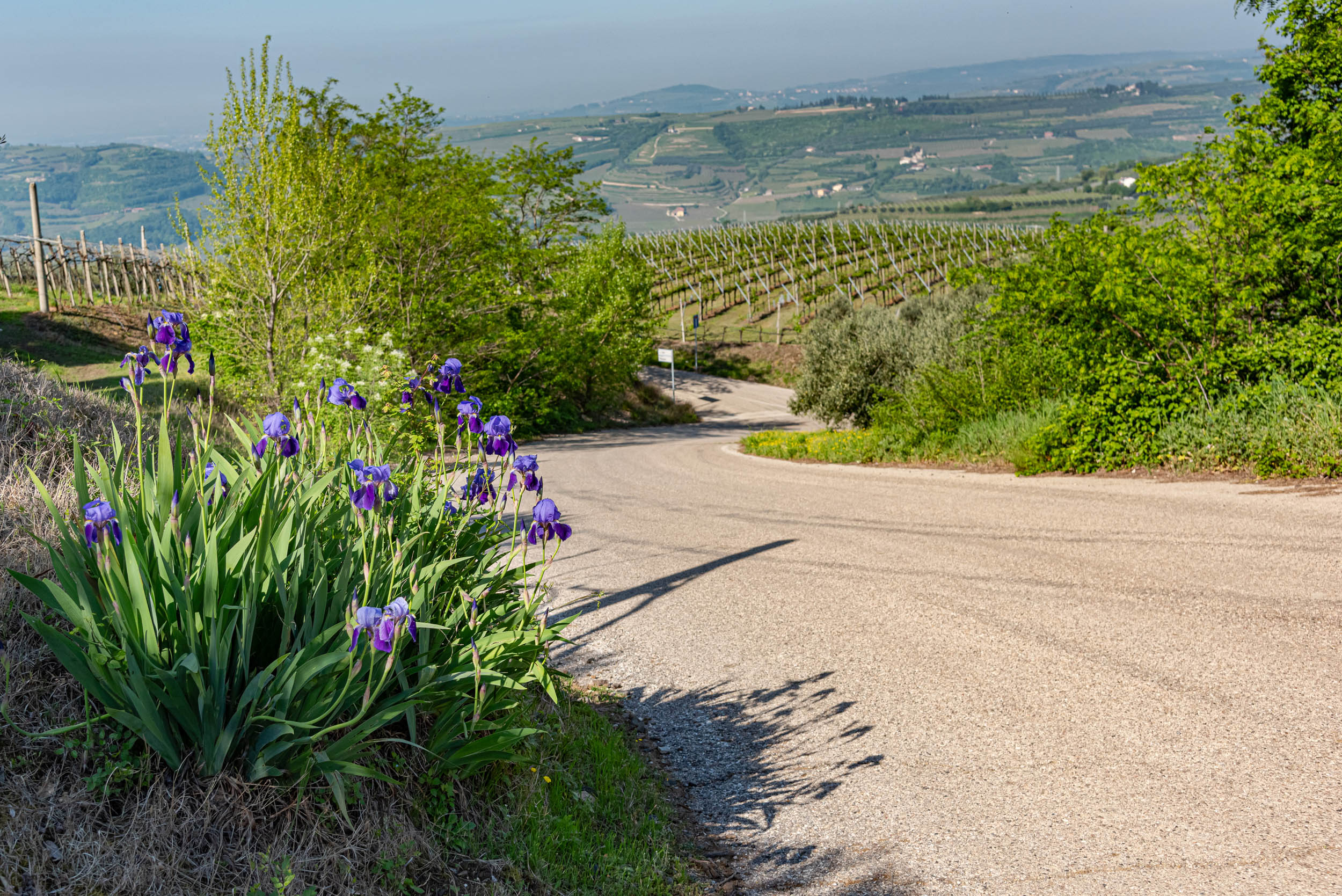
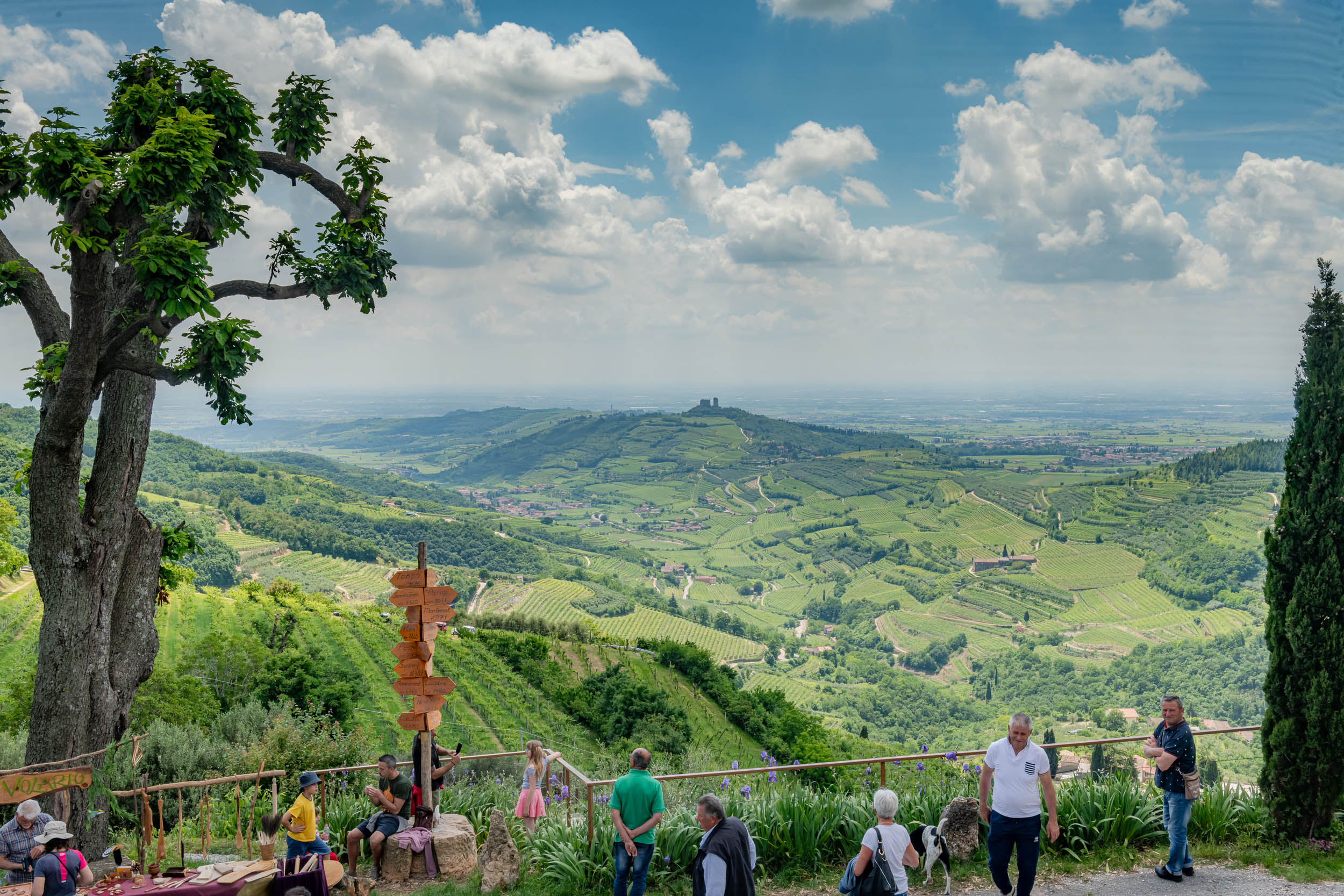
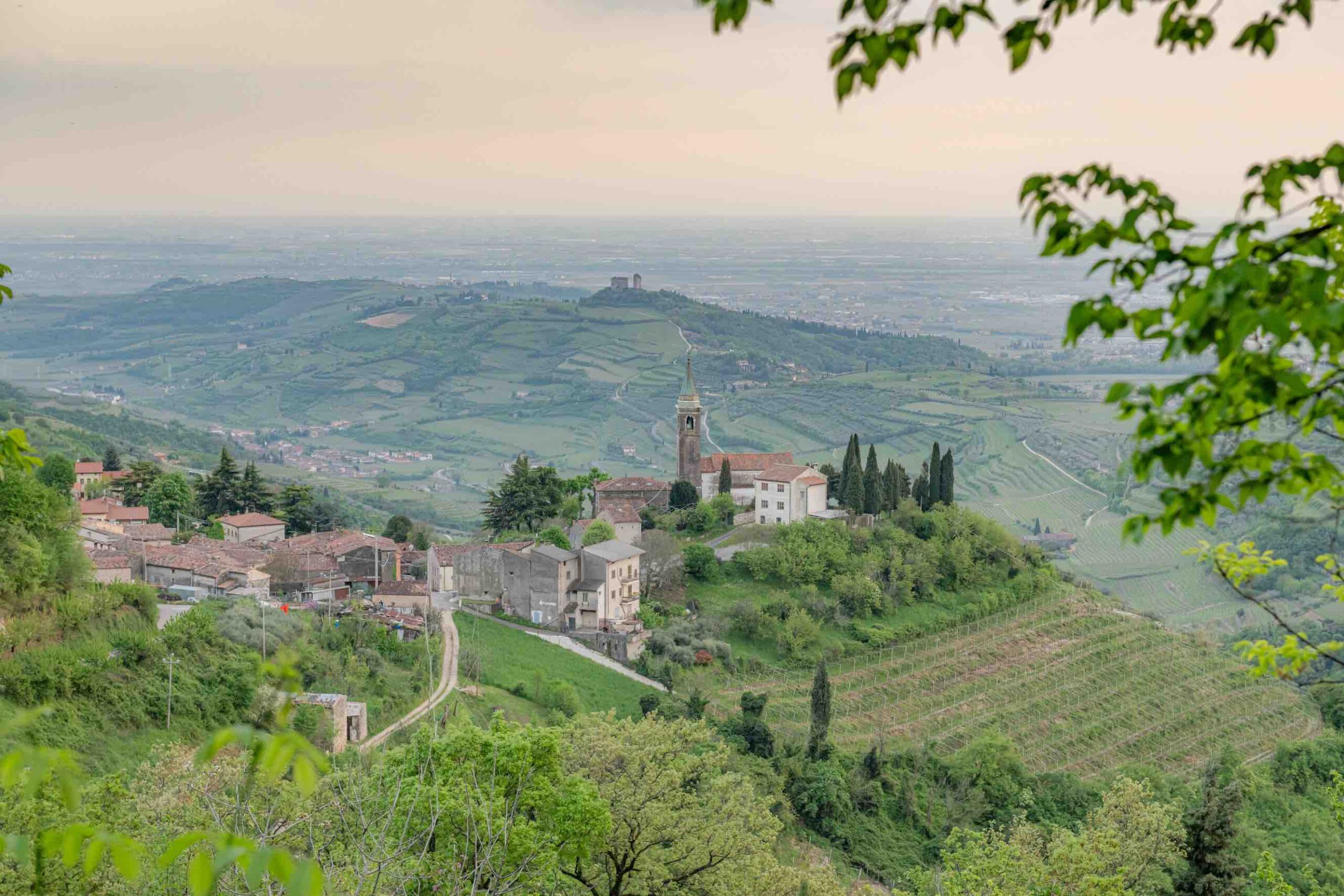
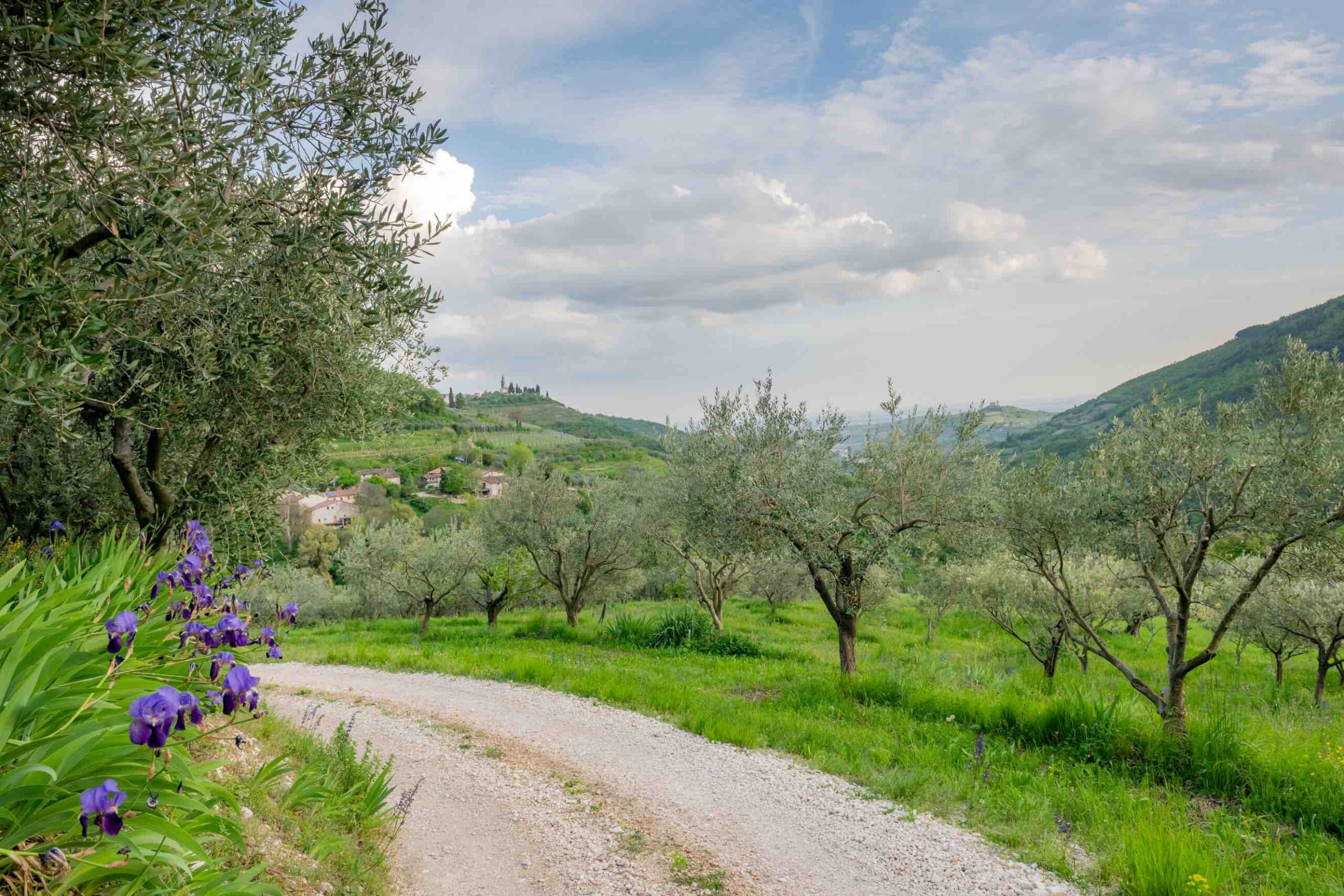
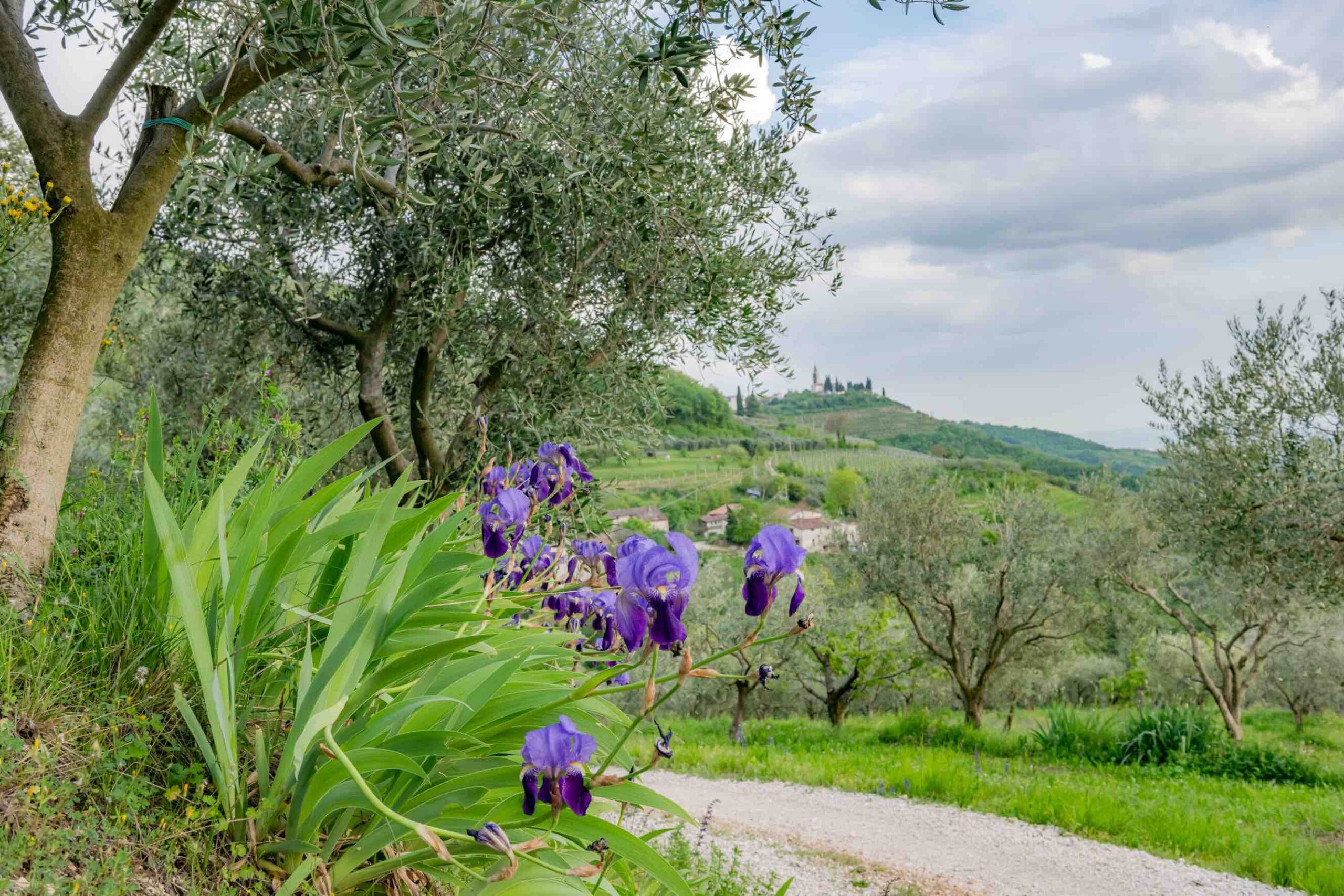
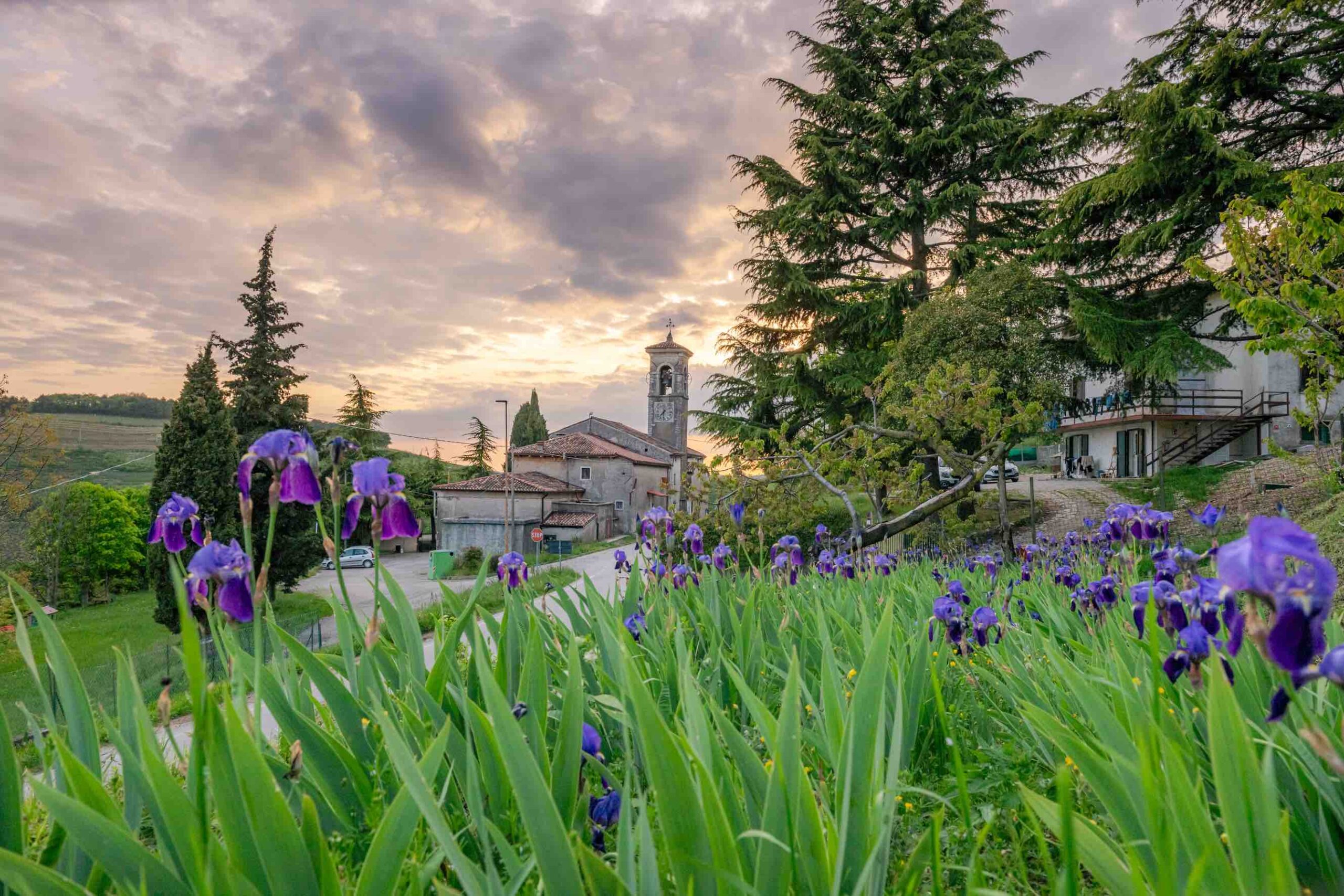
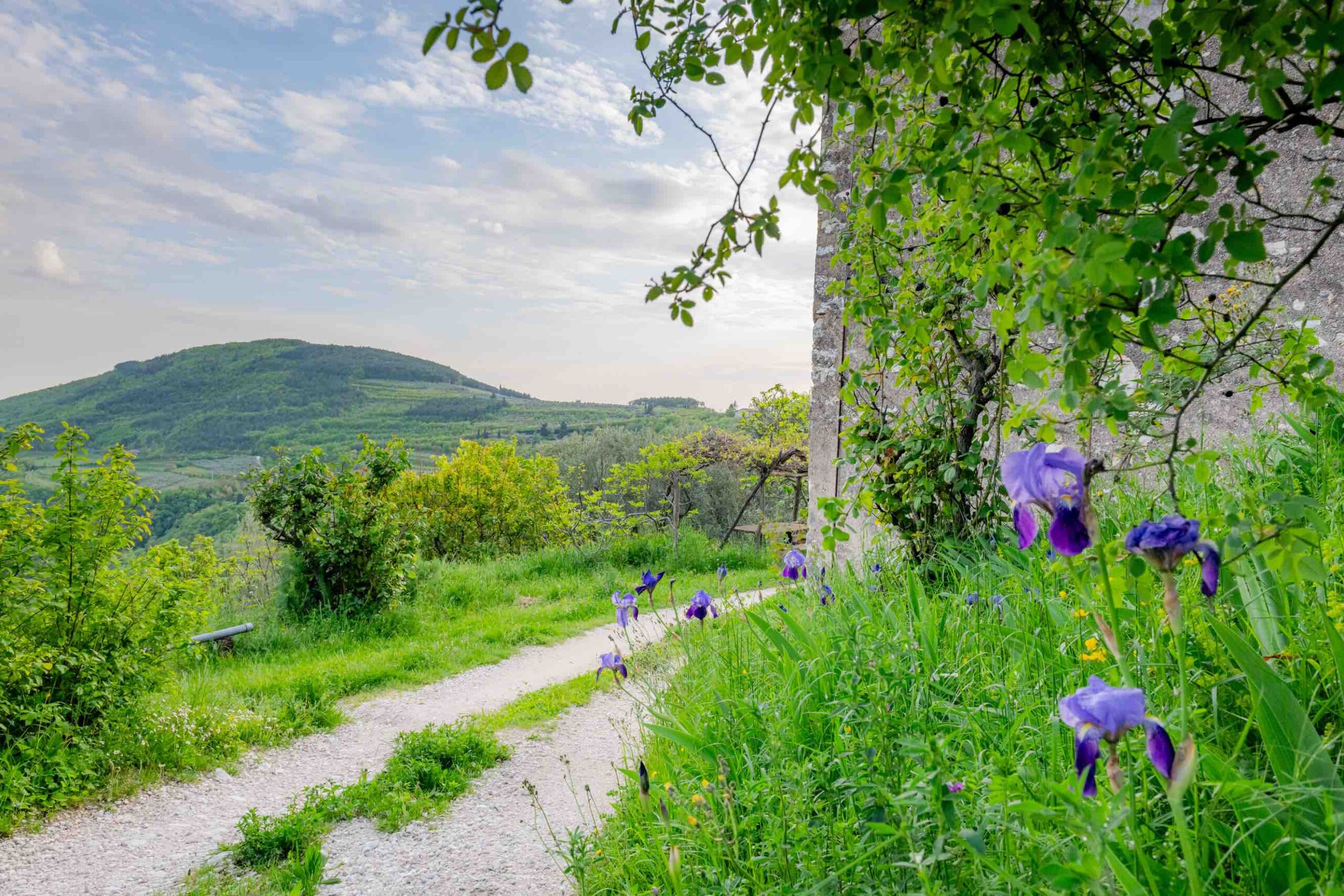
The Via dell'Iris is a wonderful project that we are proud to collaborate on. Why? A thousand reasons! First of all, it promotes a healthy and slow way to experience a piece of our province: from Saint Boniface to Tregnago on foot, by bicycle or even on horseback, covering almost the entire Tramigna Valley. Thanks to this itinerary we have discovered an area that is inexplicably and undeservedly little considered: if it is true that a good part is widely cultivated with vines, it is equally true that for the most part it is the undisputed kingdom of vegetation free to thrive. This is why the landscape is so wonderfully wild and rich for eyes that know a thing or two about wild herbs. Human settlements are few and rarefied, but they bear witness to an intelligence and resilience typical of a humanity that perhaps no longer exists and that we are forgetting: depopulation has been strong in recent decades. Humanity that also derived a piece of its survival from the cultivation and transformation of the iris: not great fortunes, but a small piece of income that together with many other jobs constituted the basis for living. All this thanks to a magical plant: the iris. Its properties are infinite, our ability to describe them is minimal. What has remained in our mind is just the tip of the iceberg: the capillary branching of its rhizome makes it perfect for stabilizing the soil of the steepest slopes of the valley and it is a splendid vehicle of biodiversity with various virtues carried forward by popular tradition, even before its great qualities were recognized in perfumery. From the latter a potential source of income for the future. The Iris festival in May is the most important event of the year, but go and walk the Iris route: every season is worth it!
Mode
On foot, by bike (MTB) or on horseback
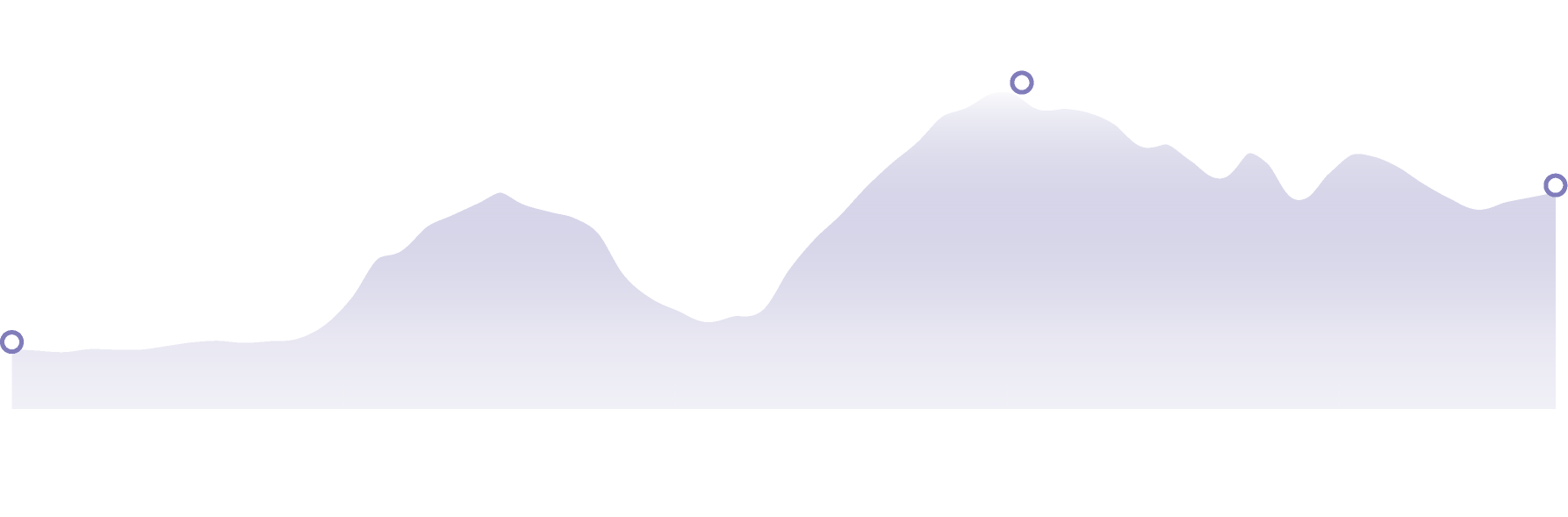
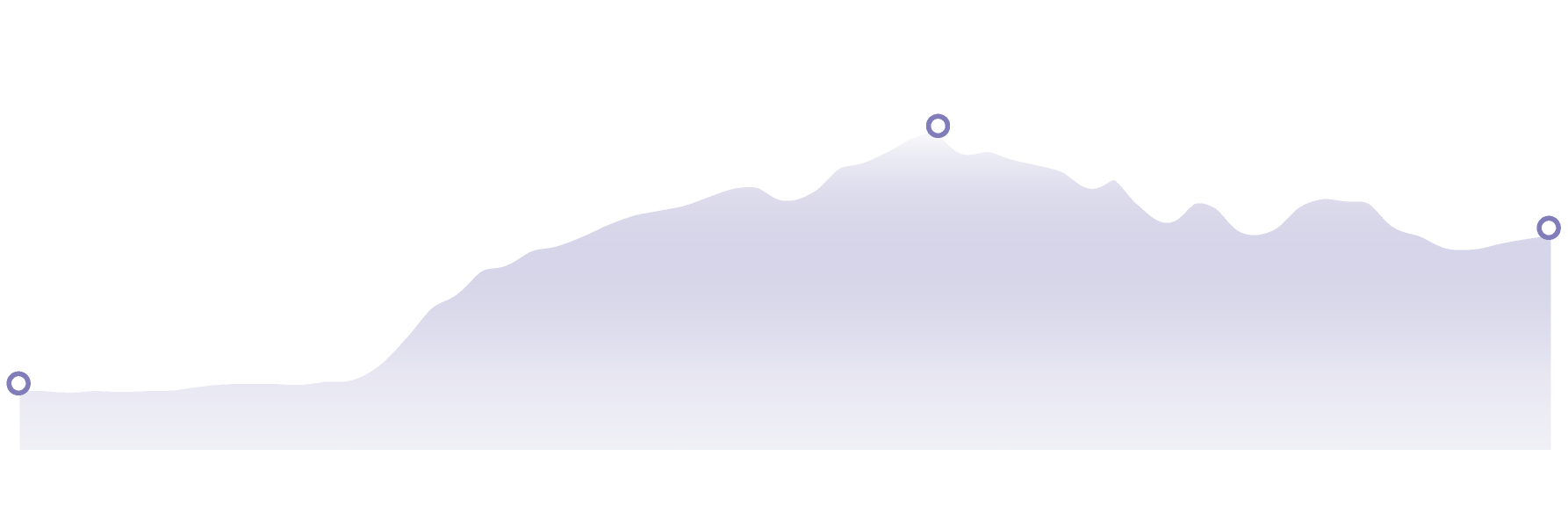
26km
Distance
7 hours
Travel time
825 meters
Meters of altitude difference
St. Boniface - Tramigna's Cazzano - Tregnago
St. Boniface - Tregnago
Landscape
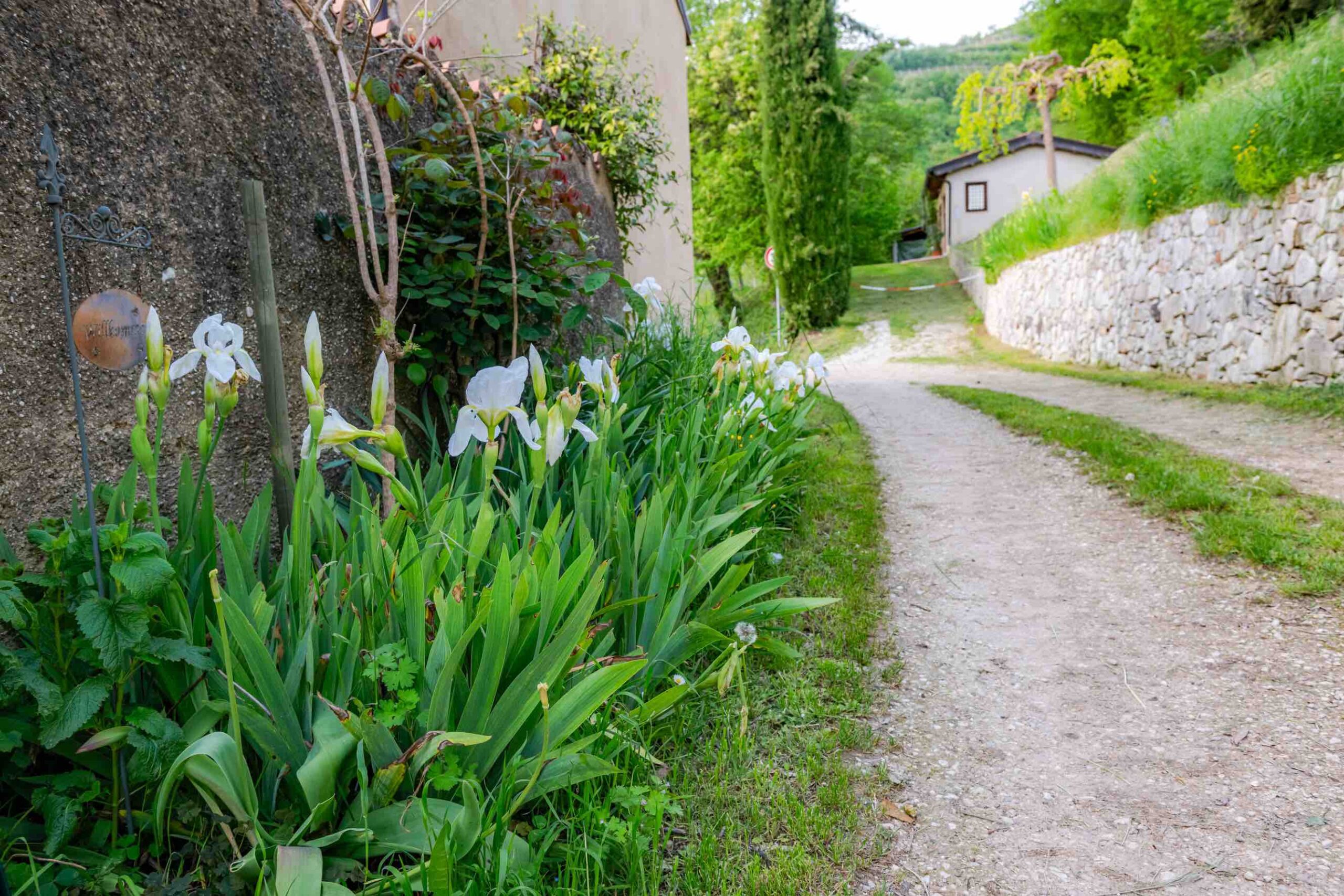
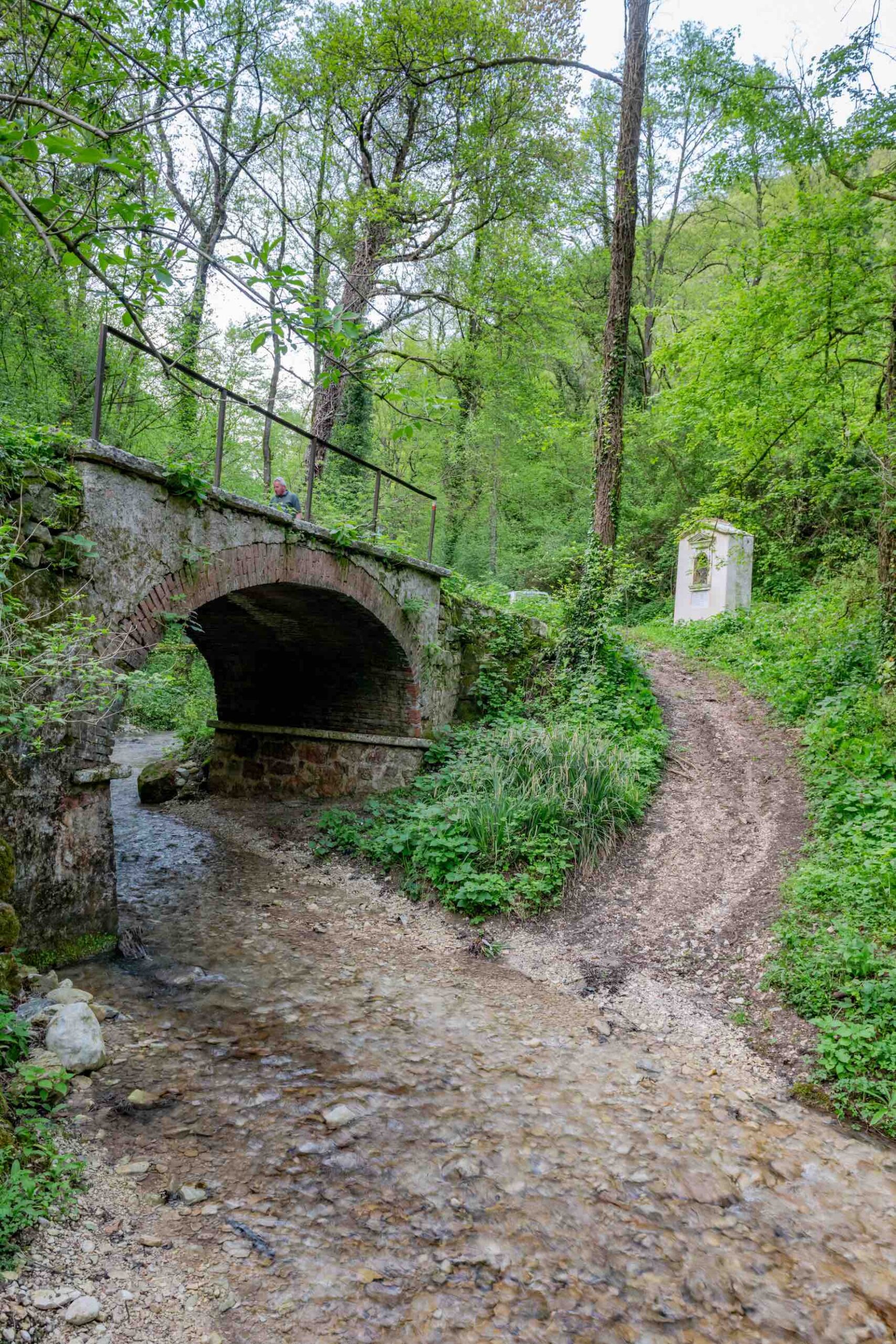
Along the route, the presence of the vine is notable and characterizing. In fact, the vine has always thrived in these areas, giving us internationally recognized wines. The denominations of Soave, Valpolicella and Lessini Durello find their maximum expression here, characterized by unique microclimates and soils. Temperatures, temperature changes, minimum night-time values, exposure and altitudes, chemical composition of the soils linked to their origin contribute to the qualitative expression of the wines. Alongside these environmental factors, there is also the intervention of man, who has been able to interpret this place by pursuing excellence without forgetting tradition, a great heritage of rural culture. The olive tree also enters in an incisive and constant manner, alternating simple rows with more extensive and organized cultivations. The varieties present are mainly “Favarol”, “Grignano”, “Leccio”. There are still 300/400 year old plants, testifying to the olive growing tradition in the area. Interesting is the presence of a typical native olive existing only in the eastern Verona area, the “Favarol” variety called “Perlarola” in the local dialect. Another variety that is quite present in the area is the “Grignano”, of more recent cultivation, which allows for greater consistency of production. The third variety is the “Leccio” or “Leccino”, the three varieties have in common their resistance to cold. The presence of the cherry tree that has given so much to the local community resists, even if much less frequently than in the past, especially in its appreciated and everywhere known variety “la Mora di Cazzano”. You can still find plots, rows, single plants that the wise farmer looks after with love and gratitude. Even the fig, a rustic plant resistant to diseases, is present and appreciated especially in its twice-bearing varieties with the fiorone that ripens at the end of June before reproducing the fruit in August/September. In the northernmost part of the route, you leave the cultivated areas to descend to Tramignola, along about 2 km of thick woodland vegetation on both sides, which has allowed a very interesting development of biodiversity. The forest is mainly made up of black hornbeam, downy oak, flowering ash, black alder, sometimes alternated with elder, dogwood, black locust, field maple, field elm, hazel, black poplar, white willow, juniper, dog rose. Throughout the year, the undergrowth landscape offers a continuous succession of blooms: in January, snowdrops form large patches, followed immediately by blooms of primroses, anemones, violets, dog's tooth (splendid and rather rare). Below is a list of the best known species: alliaria, ground ivy, fumitory, lesser periwinkle, broom and bird's-foot trefoil, honeysuckle, monk's beard, rock rose, various carnations, daisies and small daisies, lampascione, butcher's broom, verbena officinalis, goldenrod, hops, spindle tree, physalis, lemon balm, soapwort, hart's tongue, eupatorium cannabino, stick flower. Where the woods give way to clearings, you can find orchids, some of which are rare (Himantoglossum adriaticum, Orchys simia, Cephalantera longifolia). Among the previously mentioned forest plants, it is obligatory to dwell on the black alder (Glutinous Alnus). This never strays from the course of the Tramignola or from one of its tributaries, as its roots are in contact with the water. Up to 25 metres tall, it is characterised by its leathery and shiny leaves, with a pleasant aesthetic effect, and by the intense orange colour of the wood. The wood is of poor quality but becomes particularly durable if used in water; according to Pliny the Elder, the Alder "planted in marshy ground lasts forever and supports any weight" (many Venetian foundations, including that of Rialto, were built with trunks of this tree). The wood was used for the siphons of the pumps, the pipes for the fountains, the blades of the mill wheels. The presence here and there of spontaneous iris, mainly in marginal areas and adjacent to the route, completed by expertly constructed dry stone walls, contributes to making the journey pleasant and relaxing.
Places of interest
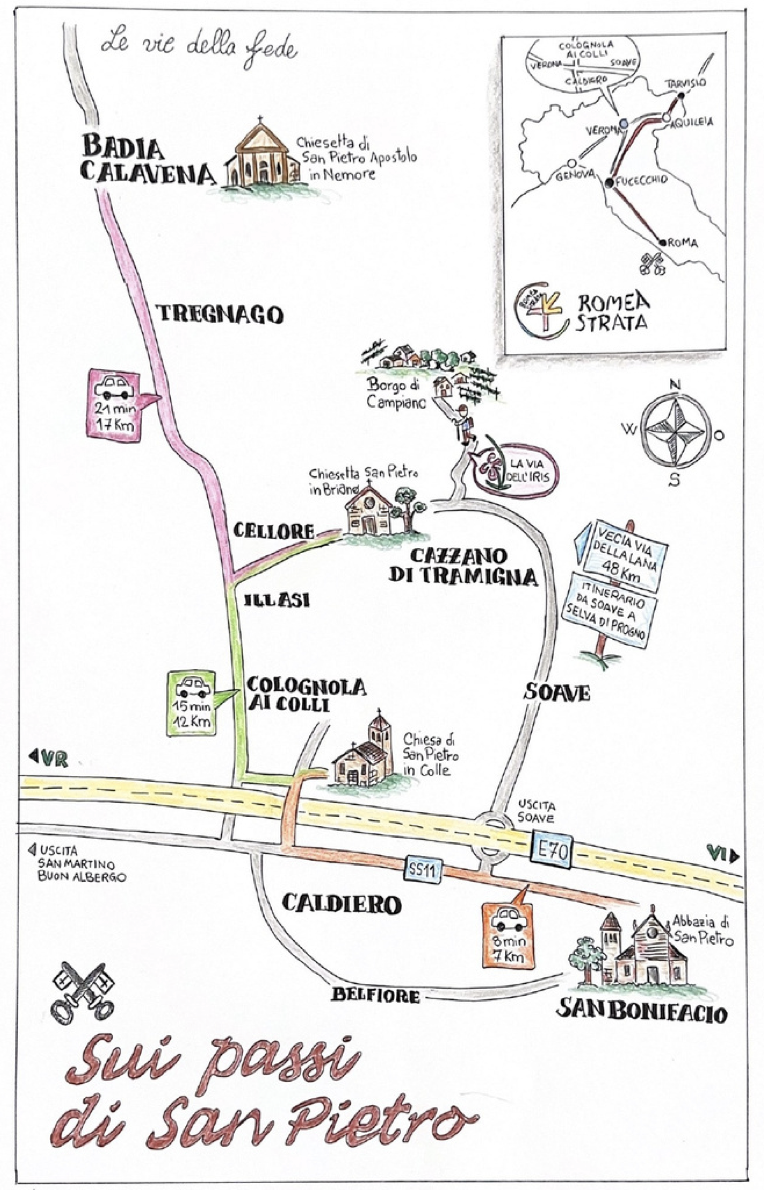
The most significant religious presence in the entire territory since 1000/1100. The bell tower, renovated in 1149, is a guard tower and overlooks the Postumia. Religious settlement of the Benedictines, it had both a religious and social function. Founded by the will of the Counts of San Bonifacio, this abbey owned numerous lands throughout the Bassa, Valpantena and Valpolicella thanks to the bequests in the wills of the population. It remained functional until the early 1700s. The Abbey is located on the Romea Strata (Romea = destination Rome, Strata = paved), an important crossroads for pilgrimages. Inside the abbey, on the first column on the left you can see the outline of a shoe, to communicate that this was a place that welcomed those who walk with their own shoes. Offers hospitality. Starting point of the Via dell'Iris.
Villa Sagramoso in Illasi has a 2-meter wide strip of land, owned by it, that goes from Illasi to Finetti: an aqueduct on which water was once brought for the “limonare”, the lakes and the “cedrare” of the villa. In front of the town hall of Illasi, in the square, there are photos where you can see a basin where the excess water ended up.
From Borgo Castello a road starts that reaches the Santuario San Felice. An important route that is part of the via della lana.
The two oldest areas of Cazzano and also interesting from an architectural point of view of the houses.
It is a hamlet just below the area of vicolo Mattielli, where the Rocca Sveva winery is located. Nearby is the Franciscan church of San Giorgio where, inside, there is a rib that is said to be of the dragon.
Small inhabited village with interesting architecture. Here is the recently renovated fountain.
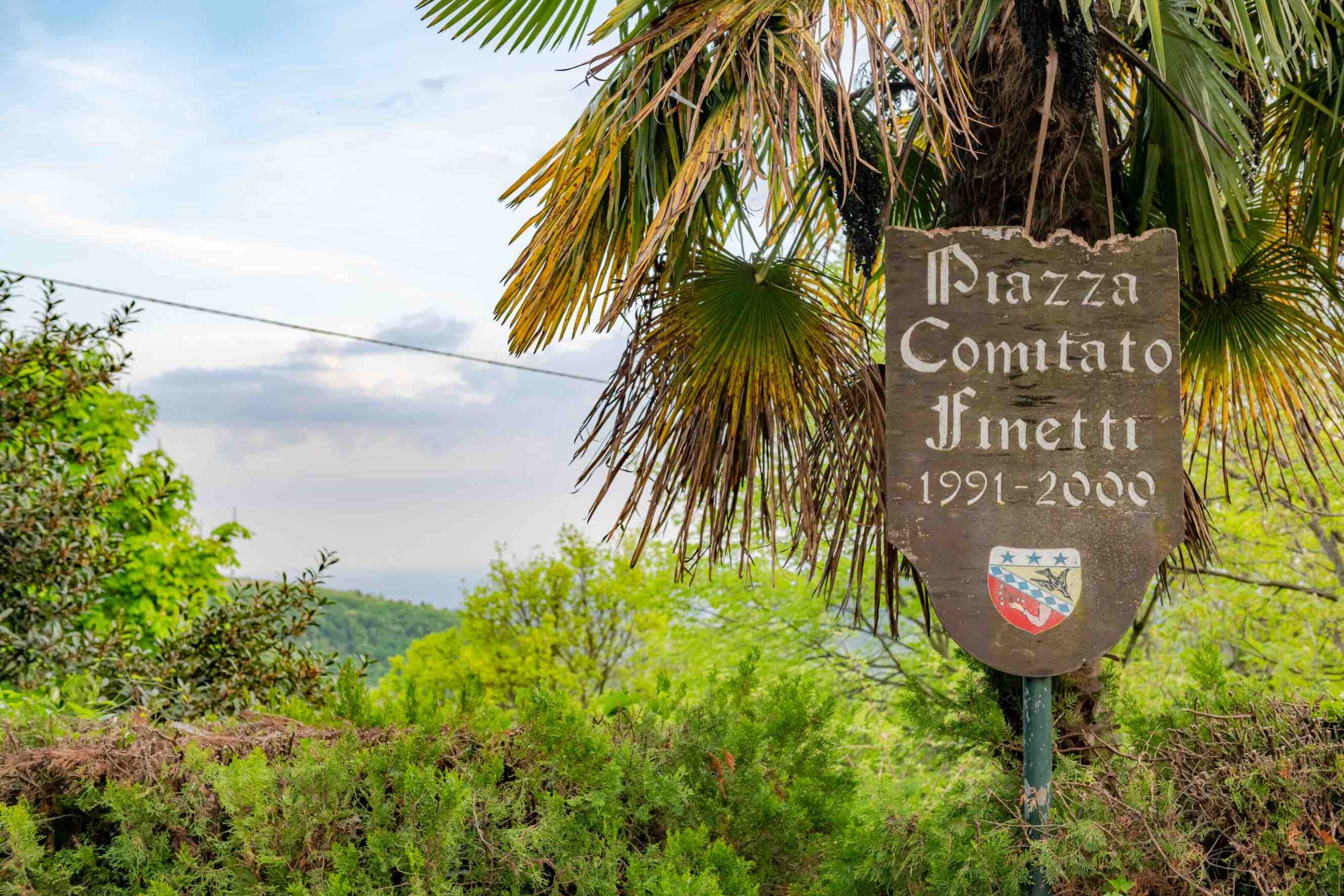
If it is not the center of the world, it is certainly the center of the Via dell'Iris. A jewel set in Val Tramigna.
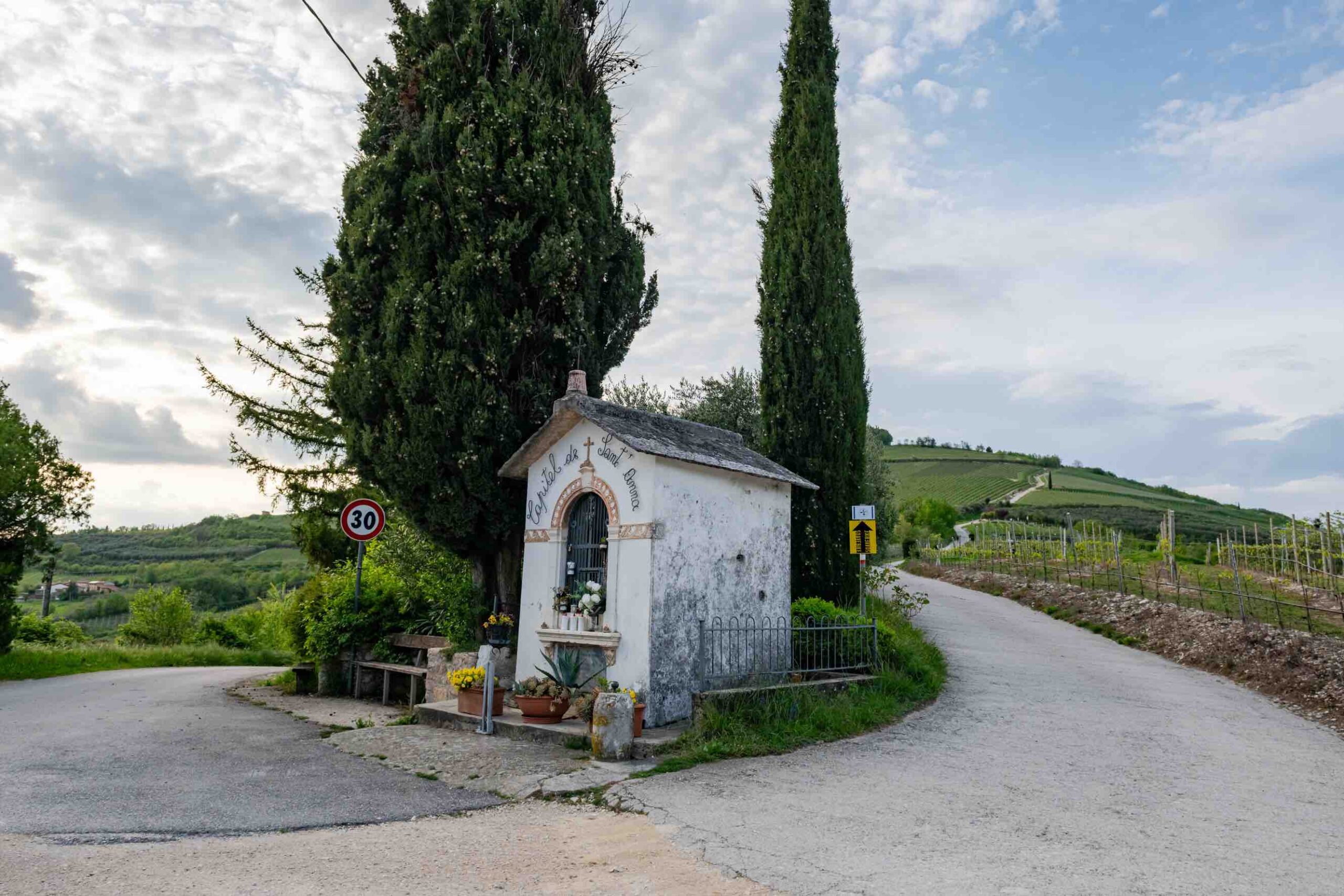
Capital from the late 1800s that bears an inscription made for downy mildew. After the earthquake it was rebuilt and the plaque mentions the earthquake that on June 7, 1891 knocked down towers and bell towers.
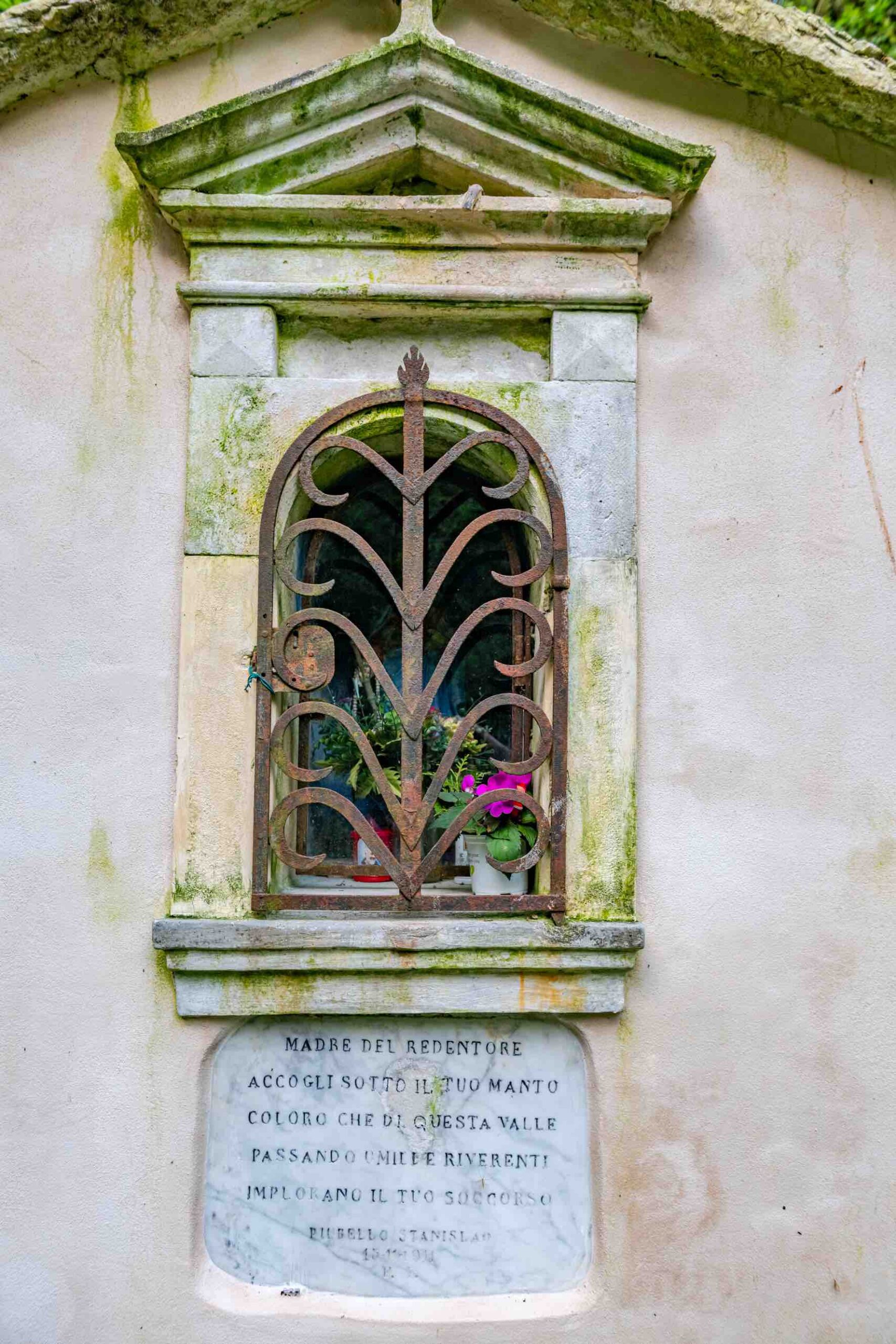
Near the shrine, dated 1823, in the middle of the cultivated fields, there is a small wood in memory of the partisan boys killed by the fleeing Germans.
The bridge that joins the two sides of the upper Val Tramigna, between Tregnago and Campiano. Both will soon be renovated with the funding of the Cariverona Foundation.
In Castelcerino there was a branch of the Don Calabria “dei boni fanciulli”, where, in times of war, displaced persons were welcomed.
Rebuilt after the earthquake of 7 June 1891, despite its uncertain origins, it seems that there is a letter which says that it was built by King Desiderio of the Lombards in the eighth century (even though at that time castles did not exist).
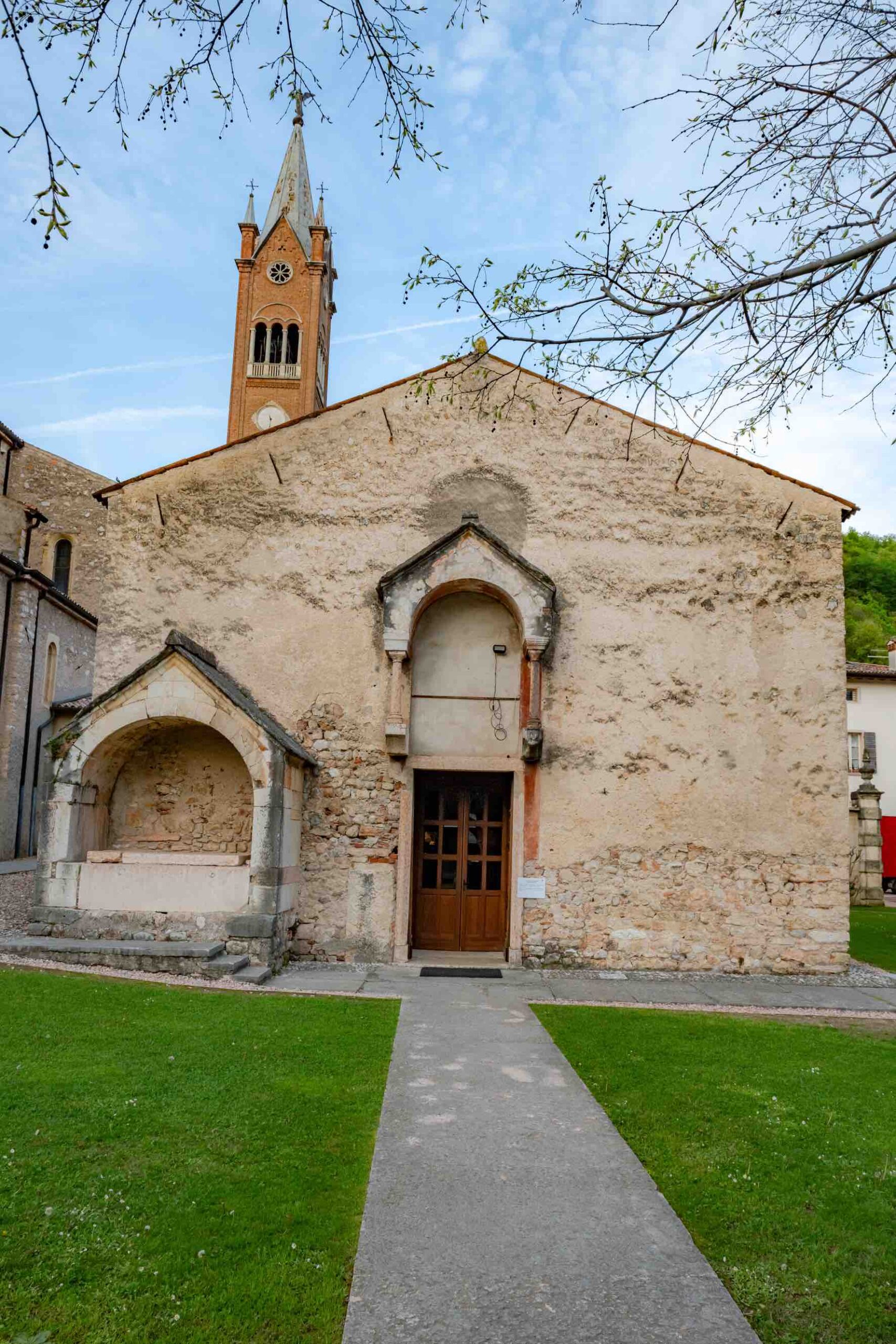
The small church of Disciplina, dedicated to San Martino di Tours (patron saint of Tregnago), stands near the parish church of Tregnago. Dating back to the 12th century, it seems to have been the seat of the ancient parish church for some years, later replaced by the church of Santa Maria Assunta which became the permanent seat of the parish church. The interiors preserve medieval frescoes dating back to the 15th century.
The “church of Brian” is a small Romanesque church full of frescoes of the Giotto school. It is on the road that goes from Cazzano up to Monti. In the fresco above the door there is a tiny detail: a mini scorpion painted on the handle of a dagger. The church is open on June 29th on the occasion of the feast of Saints Peter and Paul.
Of medieval origin, inside, on the altar, it has some altarpieces by Domenico Rizzo known as “Brusasorzi”.
The church of Santa Maria dei Domenicani was built in 1443 by the Dominican Fathers, with an adjoining convent that was abandoned in 1659. After a period of abandonment, the church was recovered in 1985, preserving an invaluable historical and artistic heritage.
The church of Santa Maria Assunta was built in 1879 on the site of an ancient parish church dating back to 1145. The church houses an organ from 1902, the work of Domenico Farinati.
Nine residents in total and two farms, one of which has been organic for forty years. Le Antane is a little gem.
Uninhabited district, a young man is moving in and starting to take care of the inherited crops.
Although it is in the territory of Illasi, it is worth mentioning for its spectacular view of Cazzano.
The first industry in the valley in 1922. There was a cableway that brought material from the quarries on Mount Tomelon to the town. The road bridge in Venice that connects Santa Lucia to Mestre was made with cement from Tregnago. Guido Pigozzi drew inspiration from the building for his paintings.
In the past, the fountain was used to cool watermelons in the summer. It has been restored thanks mainly to the contribution of the Cariverona Foundation and has returned to a new beauty.
In Castagni, on the road that leads from Cazzano to Campiano, there is this spring called “il copo” because where the water comes out there is a coppo (tile) to let it flow out. Here, everyone from a young age went to get the copo water because it was very good.
Mount Bastia (470 m above sea level) is a panoramic point where you can see the remains of the medieval fortress. Wonderful in winter and spring for the blooms of snowdrops, violets and cherry fields. It is said that there was a battle on Mount Bastia in which the Pompei legion had to conquer it by order of the Republic of Venice. On the mountain next to it the small army gathered and the soldiers, hidden by the woods, to make it seem like they were more numerous, began to stamp their feet and make noise. Thanks to this they scared the enemy and conquered Bastia.
Particularly good drinking water.
Inhabited district between Cazzano and Castelcerino, border point between the municipalities of Soave and Cazzano di Tramigna.
The manor houses all face south, as do their entrances, to get more light and heat from the sun. Among the most famous are Villa Ferrari Delle Spade, Villa Pellegrini (the seat of the Town Hall), Villa Cipolla, Villa Borghetti, Villa De Winckels, Villa ex legate Casaro, Villa Adelia and Villa Massalongo. All these villas because they were investments in the landed properties of the richest families of Verona who opened estates and farms that they exploited both economically and as second holiday homes.
Panoramic point with cross and view of the plain and Illasi. There is the bell to ring and the boundary stone between Illasi and Tregnago from the period of the Lombard-Venetian kingdom.
The mountain from which the army attacked La Bastia Altitude 533 m above sea level
Collection of tools, objects and toys dating back to the last century.
Itinerary of about 10 km that develops among vineyards, countryside and capitals. Suitable for everyone and perfect in the mid-seasons.
Coming down from Castelcerino, the first encounter is a hackberry/pearl tree, border between Soave and Cazzano (locality Scalette).
In Campiano a break is a must, thanks to the panoramic point on the Val Tramigna and the always breezy climate, even in summer... the ideal place to catch your breath.
The source of the Tramigna, in the square in Cazzano. Here the waters accumulated in every vajo of the area meet. It is a natural spring from which the Tramigna originates. In the center is the Statue of San Giovanni Nepomuceno surrounded by a white swan with many ducklings.
Tradition says that near the Bassanella di Soave sanctuary there was one of the oldest apparitions of the Madonna, at Ponsara, where the water springs. The church is frescoed by Adolfo Mattielli, a local painter. Legend has it that the statue of the Madonna was brought to where the sanctuary now stands and that it was positioned looking towards the town, but she turned towards the fields. Today, in fact, the Madonna looks out over the entire valley. The sanctuary was also the Holy Door during the Jubilee of Pope Francis.
It is located between Caltrano and Campiano. It was built by the inhabitants who had the vegetable garden in the land above, recently renovated thanks to the funds of the project financed mainly by Fondazione Cariverona.
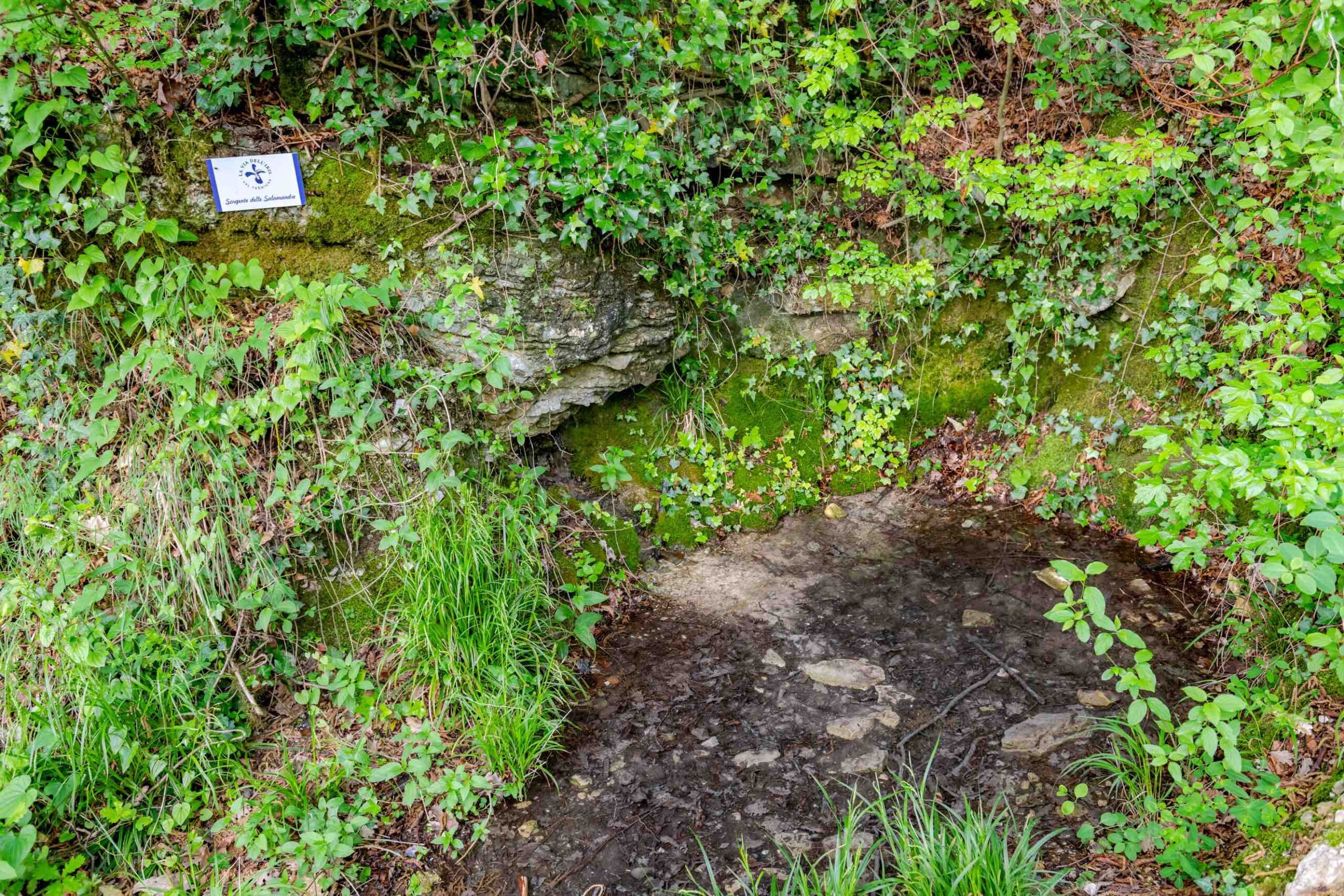
Salamanders go there to give birth, an important source of biodiversity.
Festivals & Festivities
23 APRIL
It is celebrated on the Sunday closest to the date. Feast of the patron saint of the country, San Giorgio.
THIRD SUNDAY OF MAY
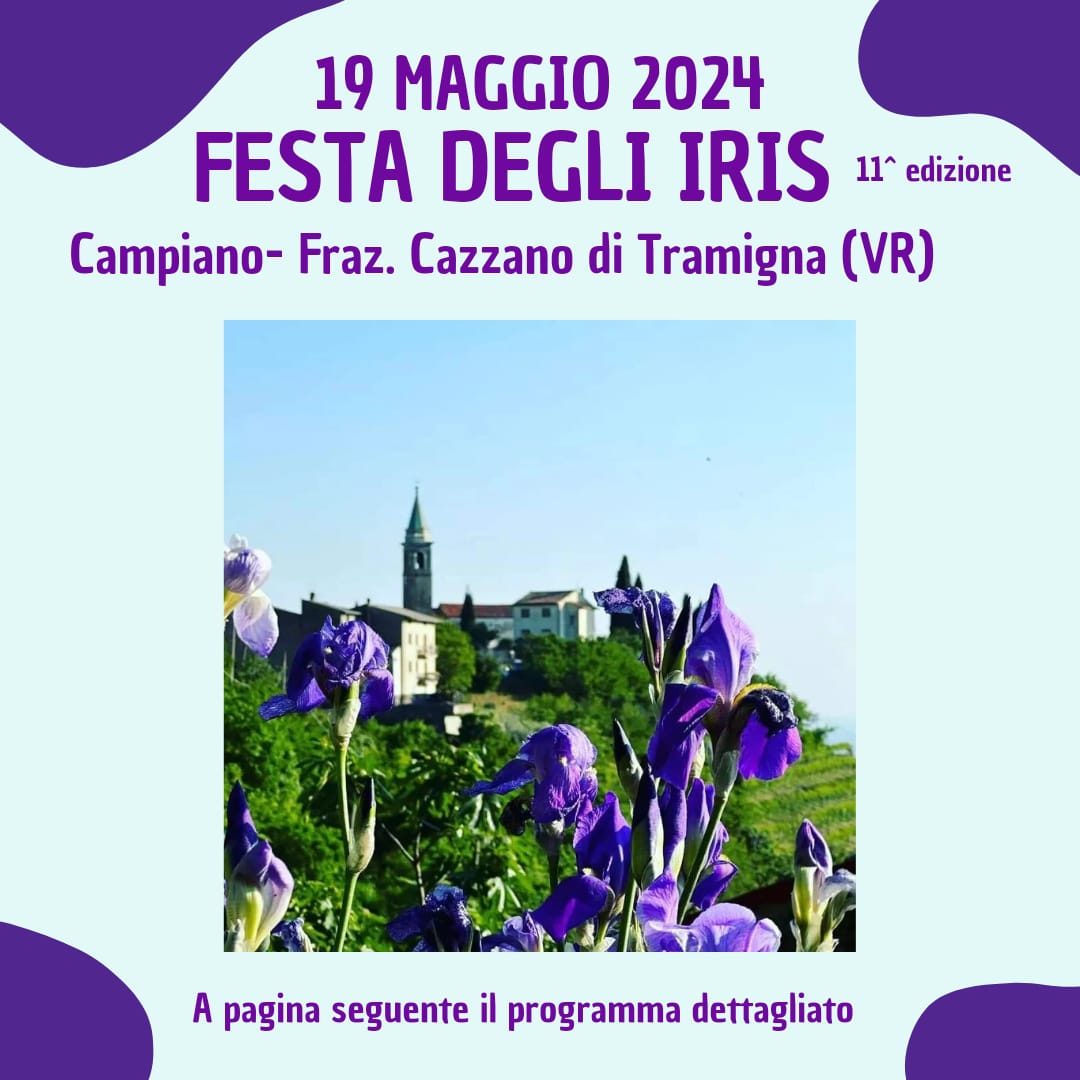
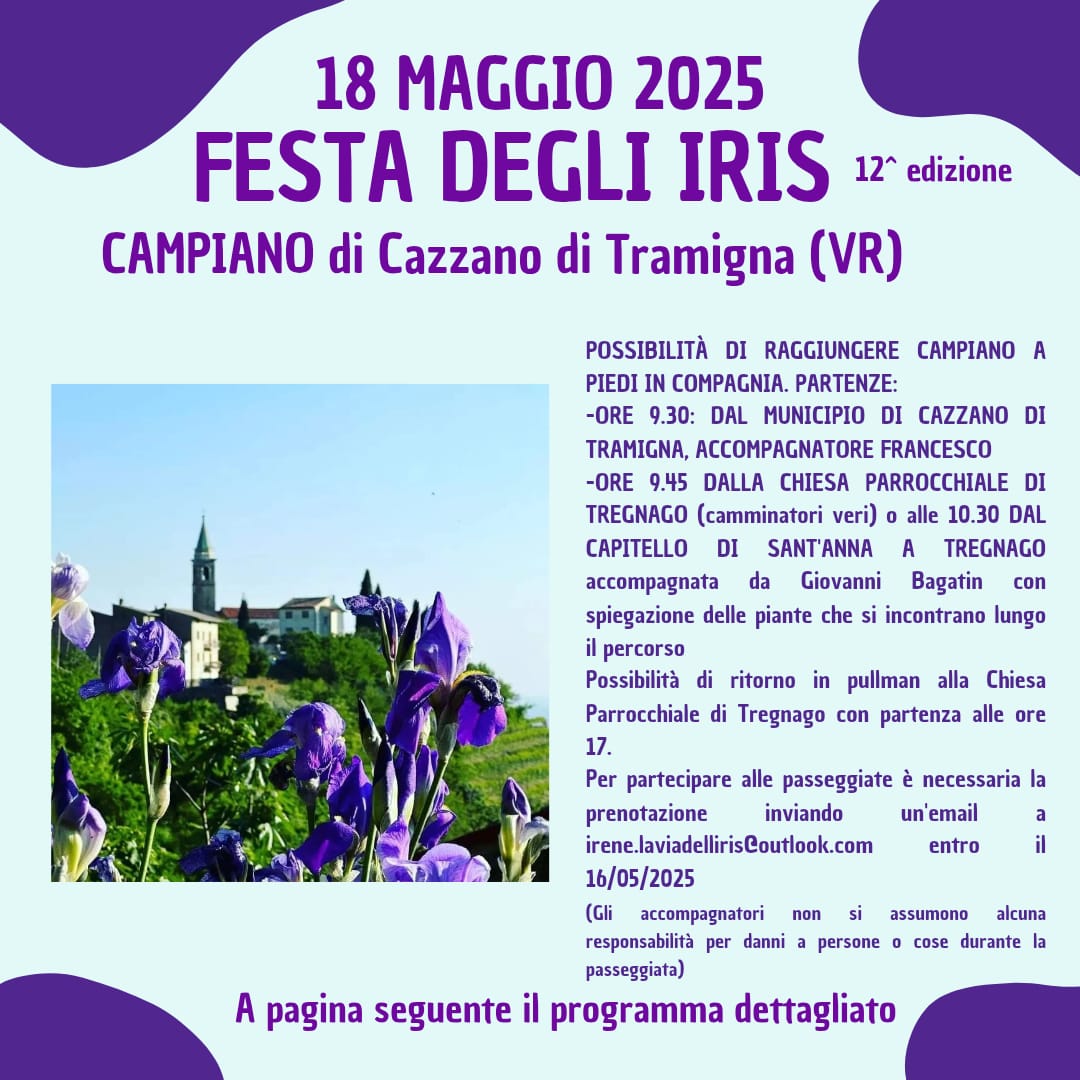
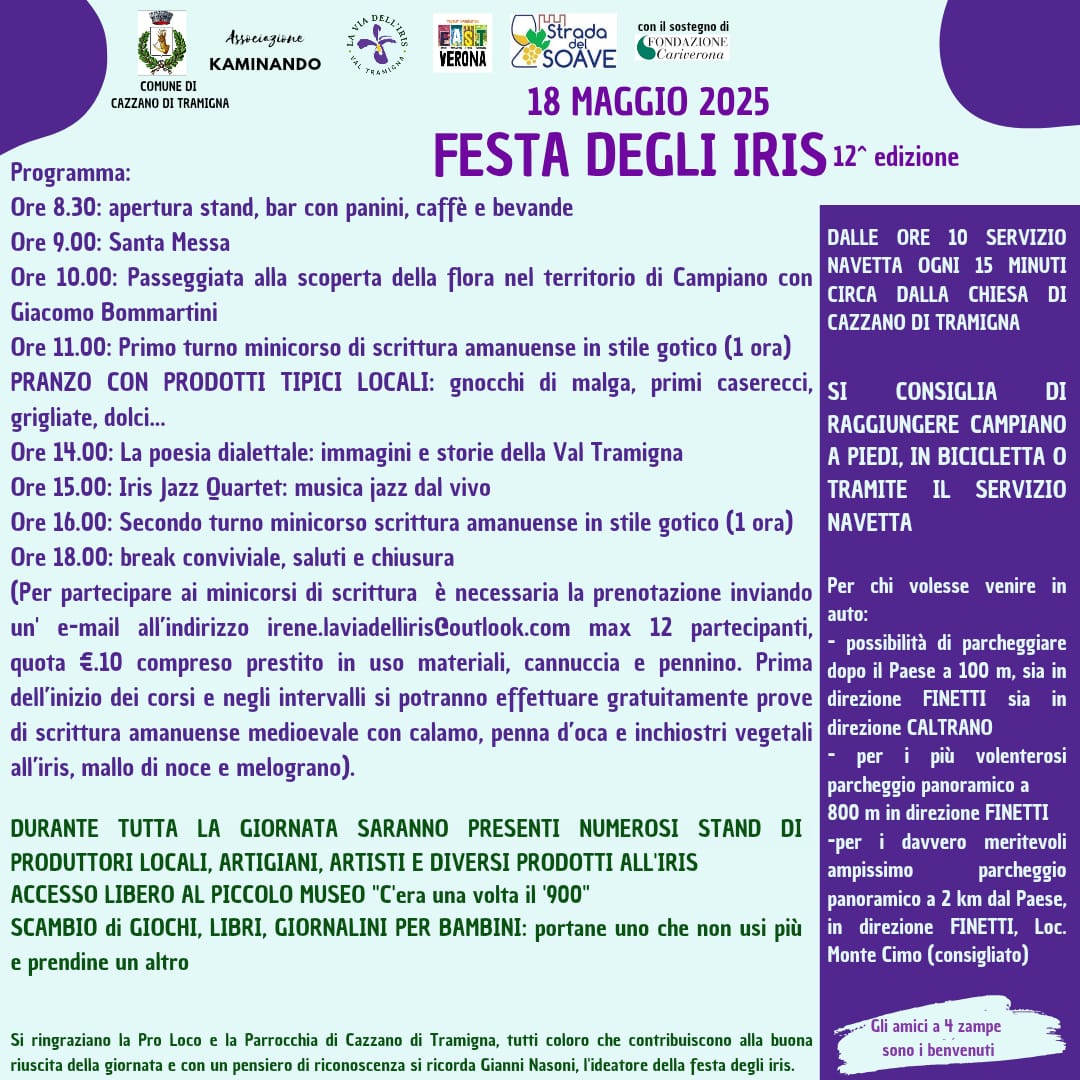
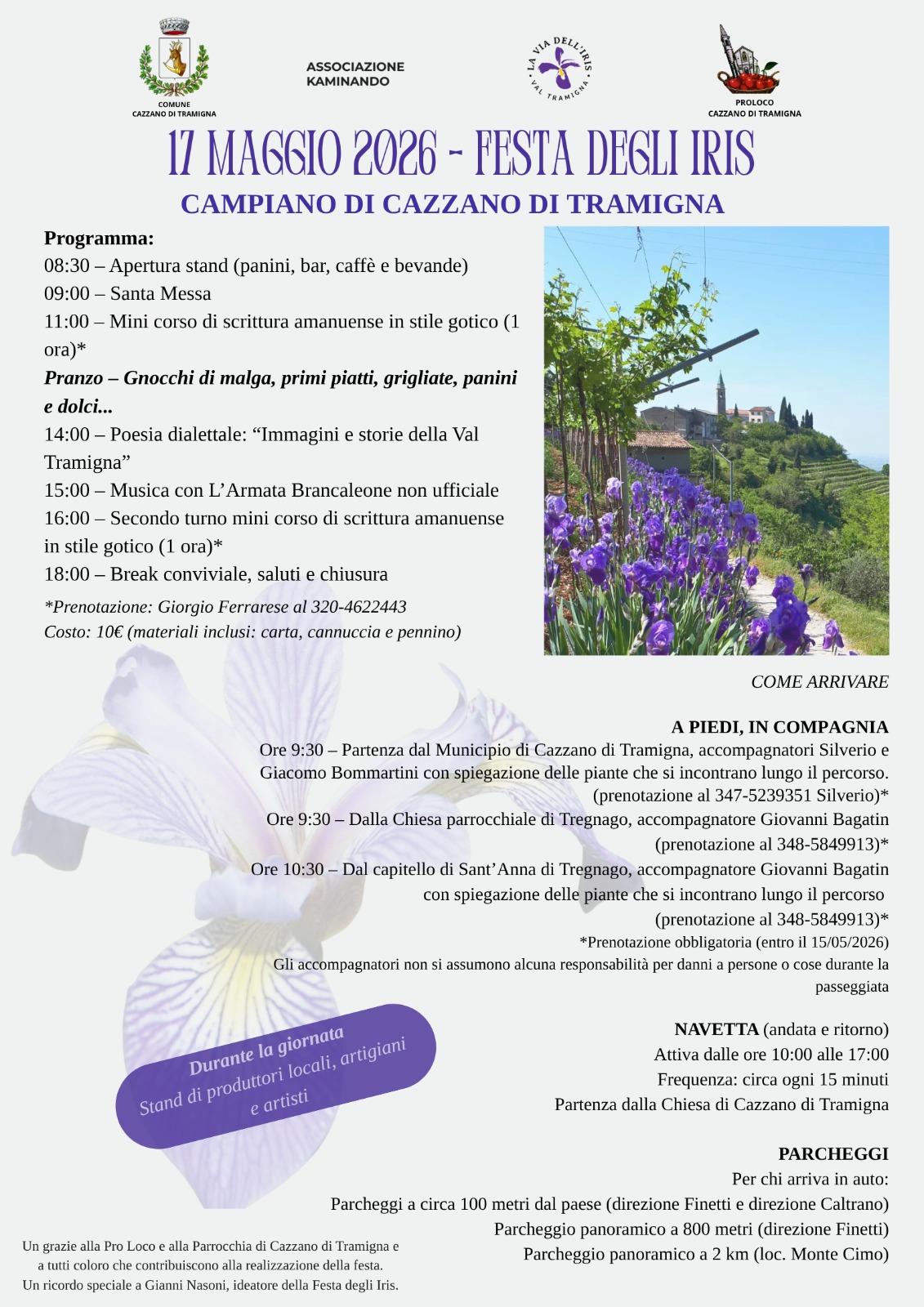
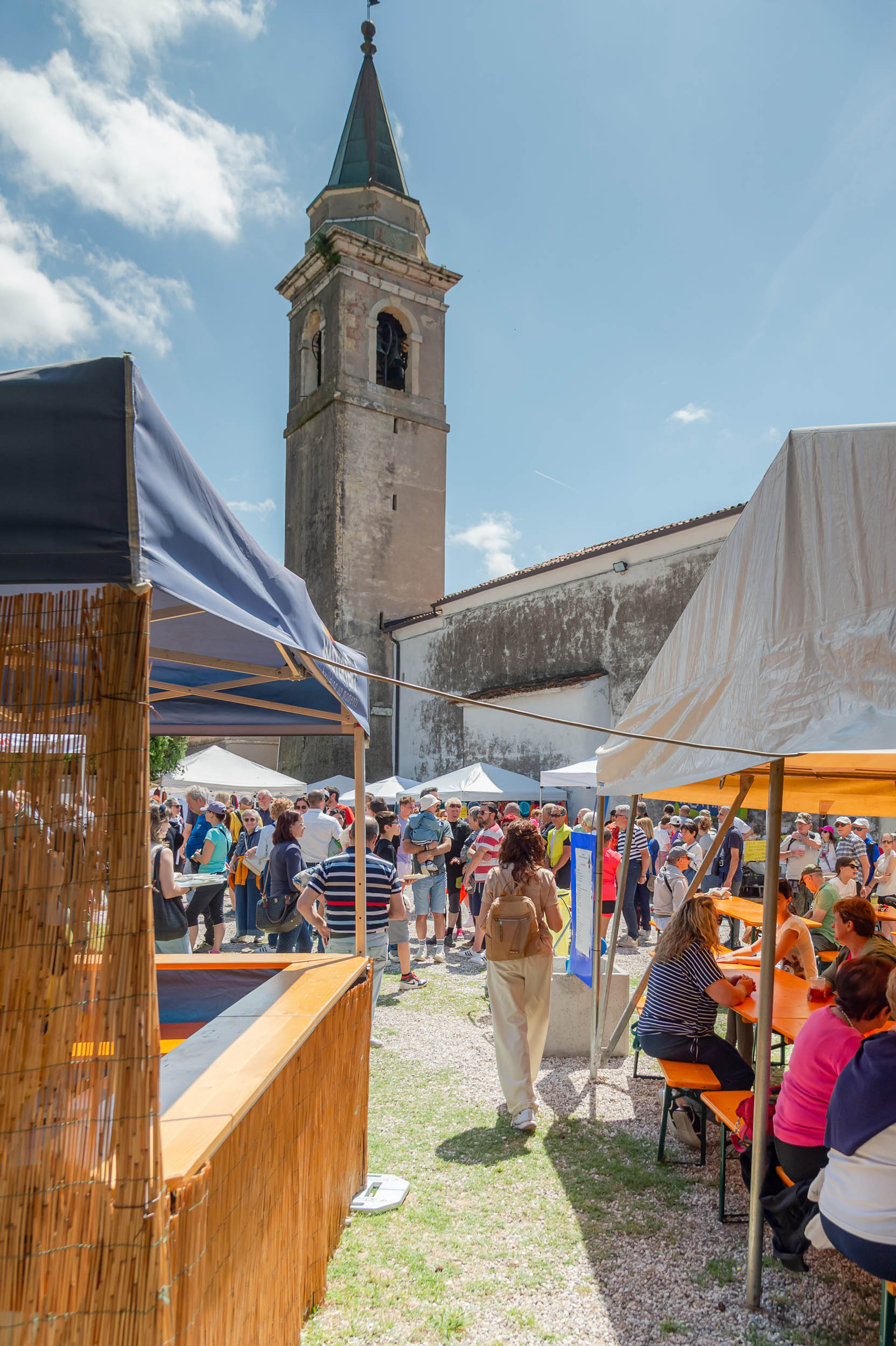
Festival dedicated to the iris, symbol of Campiano since 2013. Organized by the Kaminando association, with the participation of local producers and artisans, food and wine stands.
THIRD SUNDAY OF MAY
The third Sunday of May is the celebration of wine, a typical product of Soave.
FIRST WEEKEND OF JUNE
The most important festival dedicated to the exhibition and sale of cherries (with particular attention to the Mora di Cazzano), Mora award ceremony, banquets, exhibitions and entertainment.
THE SUNDAY CLOSEST TO AUGUST 20
Patron Saint of Campiano celebration with food and wine stands and local producers market.
BETWEEN THE END OF AUGUST AND SEPTEMBER
Typical festival with medieval games in which a district is awarded.
THIRD SUNDAY OF SEPTEMBER
Typical festival in honor of the country's star product: the Garganega grape used to produce Soave.
FIRST SUNDAY IN NOVEMBER
Competition for the best local oil, stand with tastings and typical products.
NOVEMBER 11
Festival of the Patron Saint of the Country.
Association
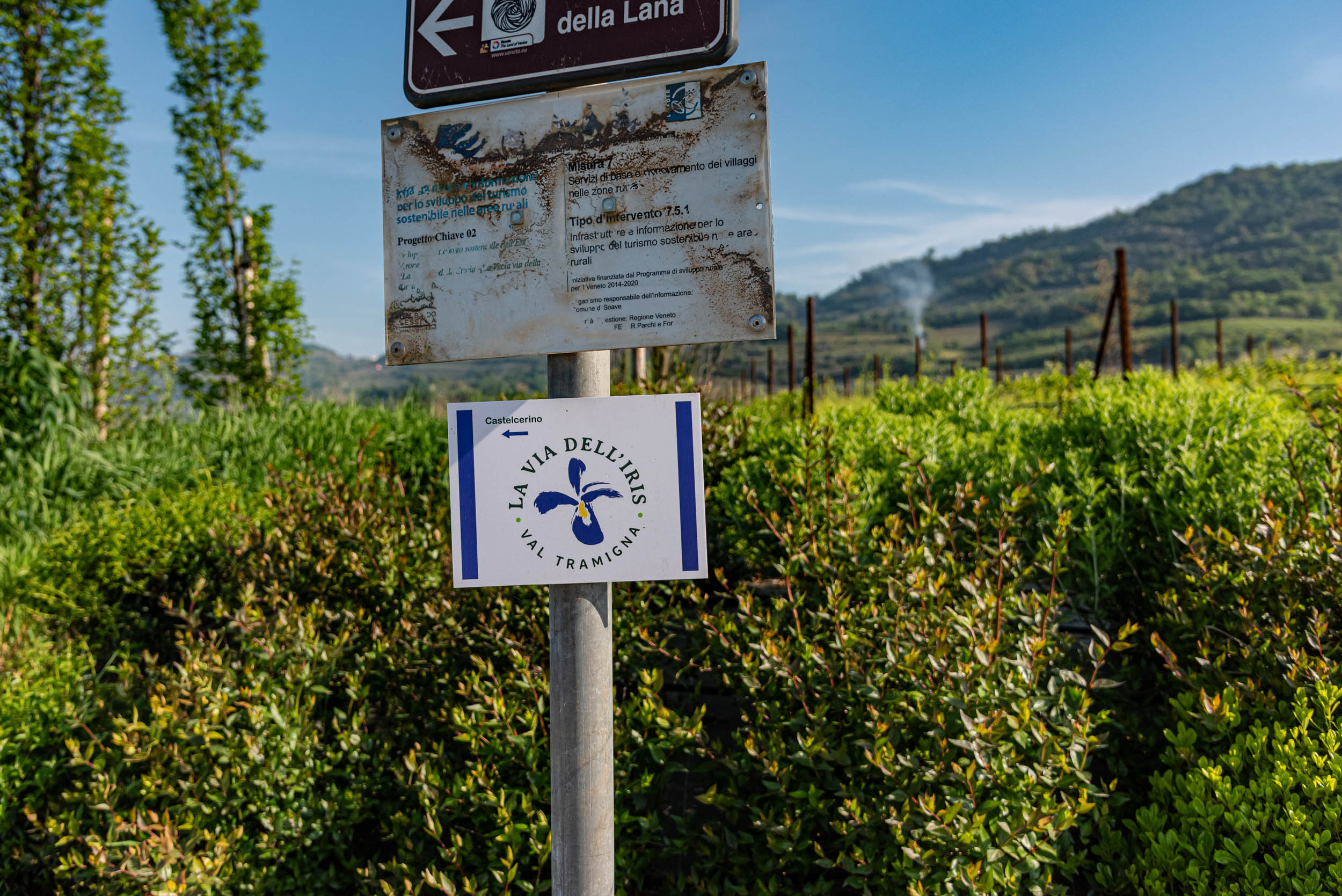
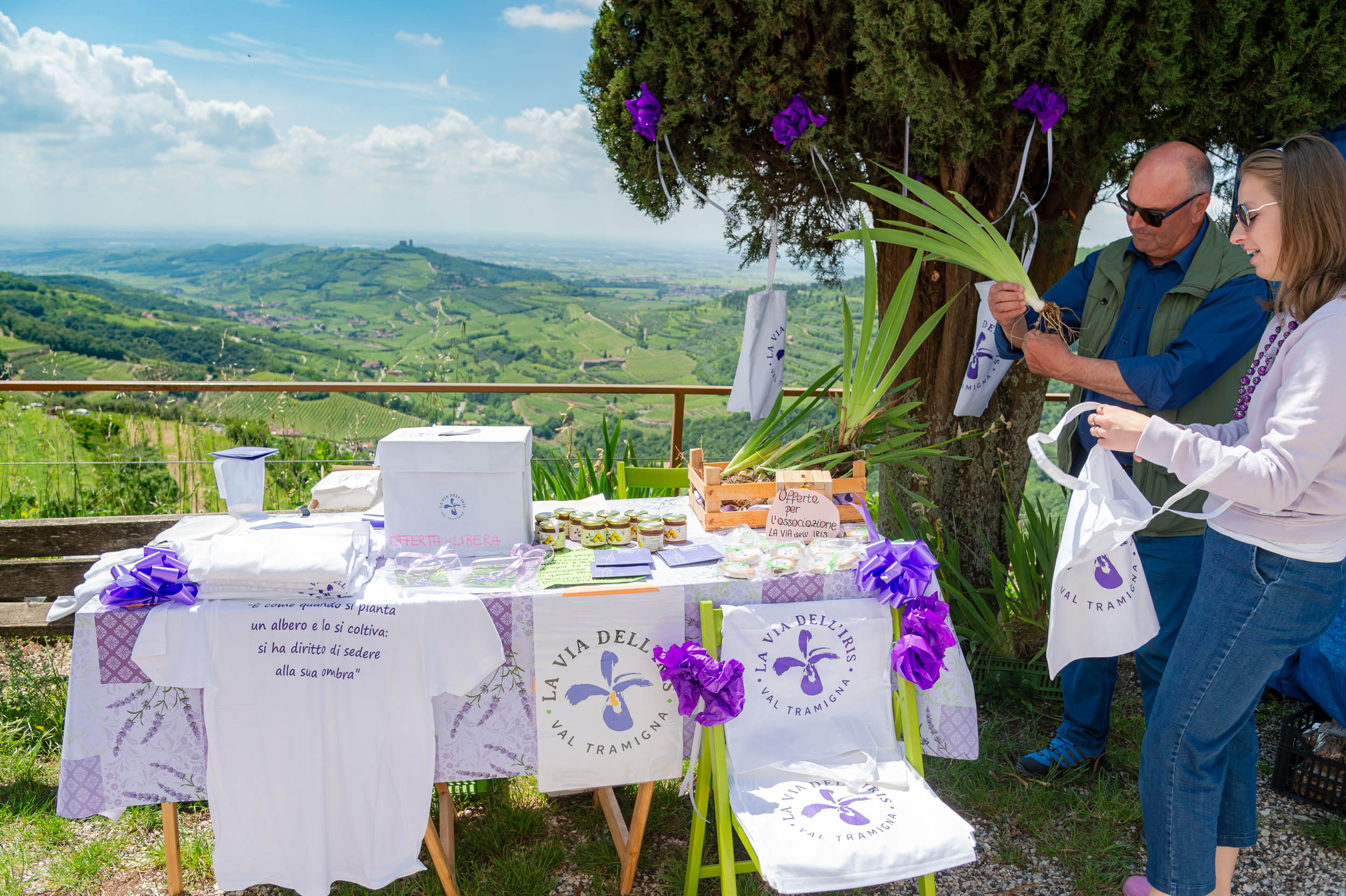
The association Via dell'Iris della Val Tramigna has registered the trademark “The Iris Way – Val Tramigna” with the aim of promoting products and services related to Iris and Val Tramigna. The use of the brand is subject to the signing of a specification available at the association's headquarters.